In defence of tourists


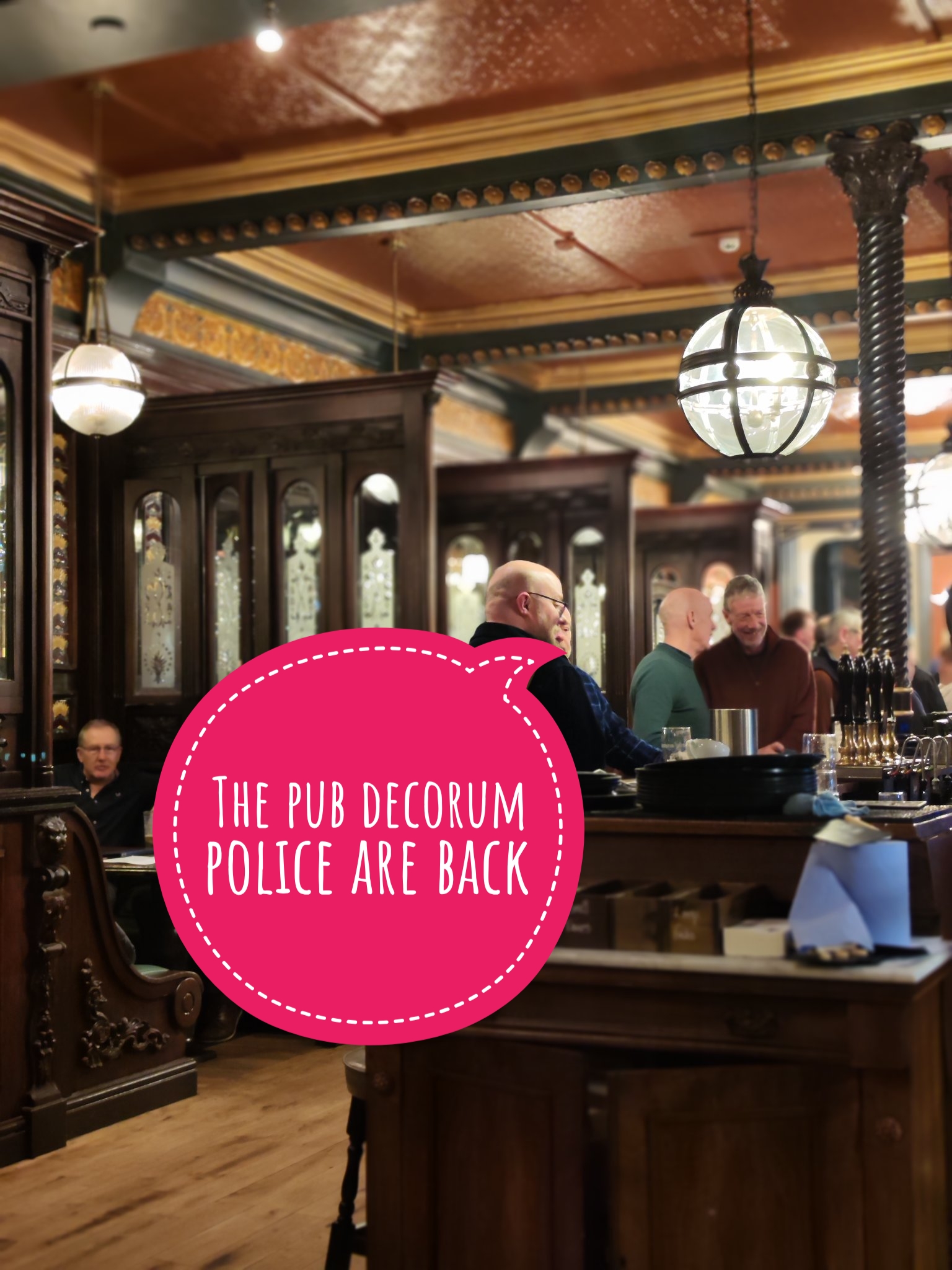
When I first visited the pub U Prašivky in Letná, Prague 🇨🇿 around 2017, this followed in-depth research into the plentiful but rapidly declining stock of old, battered survivor pubs in the city, as well as scouring recommendations from insiders.

The promise was of a throwback to the 1980s, a time before the revolution, one of unrestrained cheap boozing and with a peculiar format too. The sort tourists don’t know about, let alone to avoid. When I started out my travels I admit I’d have been too scared to walk through the door.

This pub keeps highly unusual hours of 9.30am-9.30pm owing to its origins as a Fourth Grade pub during the Socialist era (known colloquially as Čtyřky) where businesses were graded according to the social status of their clientele. In Prašivka’s case they were popular with bin men coming off their early morning shift and heading for the first Pivo of the day. The hours reflect those work patterns and social rhythms, whilst the atmosphere inside the main room adjacent to the taproom can be so bunker-like, that in mid-June you can emerge at closing time into broad daylight – an odd sensation!


For many years the pub offered two beers, Chotěboř (declining) and Klášter (passable on its day) on tap for as cheap as you will find a beer anywhere in the city. This remains the case. Let’s put this into context. Both those lagers, even now annihilate the likes of British, Croatian, Hungarian, Spanish, Scandinavian lager with their relative complexity, depth and poise. They beat a lot of generic German pils too. They aren’t exactly respected in Czechia though. But for 30 crowns a throw, who’s worried about that? Definitely not the pubs faithful, their štamgasti.

With the advent of Google maps and online resources assisting visitors to Prague on a level unimaginable even in the mid-00s (where visitors were still stumbling around the cobbles clutching a fold-out map), the democratising of information meant the pub began to acquire a different audience, supplementing its motley crew of shift workers, oddballs, alkies, infirm and misfits whose favourite spots at each table are so fixed that it is like wandering on to the set of a film that has never quite reached the point where someone shouts “that’s a wrap!”

The first wave of curious interlopers were local students enticed by the promise of cheap beer, forming a well-recognised union in old tatty boozers of youngsters and grizzlies sharing space. Online wars about Gen Z and so on melt away when you bring these groups together in a good pub.

There is also sporting affiliation. Until a modest 2020-ish clean-up, they had festooned the walls and ceiling with dusty 80s and 90s football memorabilia. It is only a few minutes on tram from Sparta Prague’s ground, and on match days takes on another dimension. The answer to where to drink before/after a game is Here. But despite all this, you’d never call it a footy pub. Fans have their ritual dalliance, often not returning until the next home game a fortnight hence. Not enough for a pub to rely on.

The pub also made some smart moves and began offering changing guest taps from smaller brewers (these days less so, usually leftovers from Lobkowicz group). The offerings of modern craft ale Matuška California and the like for almost base price began to turn a few heads locally, dragging beer aficionados through the door too.

That caused U Prašivky to become known internationally, at least for a niche.

None of this changed the experience overly though. Wild, backwards, charming for it. Breweries like to endow pubs with merchandise. Tablecloths, beer mats, emblems. When the brewery’s beer calendar on the wall here is turned to the next month you might see a vulva. Welcome to Czechia.

Day to day operations have not altered substantially, but it’s the little things you pick up on. The customer service has softened. Originally, I found the servers bracingly hostile, almost annoyed to find their next potential victi….err, I mean customer!- capable of speaking Czech courteously, almost longing for a reason to sling you out. In Prague -outside the biggest tourist traps at least- you’ll normally find servers soften up considerably if they notice you’ve paid respects to their language and can do the verbal back and forth. Today the Prašivka experience has moved on from a genuine fear you might be spat at as your beer is delivered to the point where some of the new staff are pliant and one of them even speaks basic English. That was like the pub had crossed a rubicon. If you’re looking for the rawest possible experience it’s probably no longer at this pub (I’d suggest trying your luck at a private member’s smoking pub like V Koutku if you’re seeking that).

If you’ve come this far you’ll notice I’m finally getting, digestively, to the point. Would it have been better to leave Prašivka to pickle in its own juices, undisturbed? Or is the march of time inevitable and exposure even a positive, securing its future? Perhaps this is an unresolvable conundrum.

I wasn’t either early or late to discover U Prašivky and so even after publishing a bar profile on my guide I note it has taken several years to become a pick for bar explorers on their regular pub roster.

Financial traders advise novices that once they’ve heard about a move it’s already too late to take advantage. Those who jumped on Gamestop once it hit the news probably know that feeling. You wonder whether influencers are already producing videos crowing about this “like, 100% Communist Prague pub for locals dude” that’s actually bending in the breeze. I haven’t searched to find out, I haven’t the heart.

However, for those whose Prague pub experiences are limited to the patrician Old Town beer halls, I suspect Prašivka will still make a strong impression. And anyway, even if it is no longer a diamond in the rough, it may be that the pub itself is just as responsible for that.

They introduced the new beers, they tidied the pub up a little, they’ve discovered how to be civil to customers other than their regulars and they’ve kept themselves relevant. Their pricing also means they need a decent turnover of people to make money and no doubt calculated that their regulars, bless them, are not going to live forever.


It’s a market economy and people can do as they please but surely no-one wants to see a pub of this sort become half-filled with tourists, especially not the kind you find in the Old Town. No-one comes here to listen to American families crass conversations cutting through the room like a razor blade or English lads on tour, the self-awareness free zone of endless banter. The pub probably could do without those lone Chinese guys that come in to places like U Zlatého Tygra and stare at their beer for an hour as if trying to parse an entire culture through the prism of a glass. They already have many places they can go.

Prašivka has been an extreme, colourful example of local life in situ. Like a Van Gogh, there’s something remarkably vivid and beautiful captured in its existence that modern life has yet to destroy. I genuinely regard it as intangible cultural heritage, my pub UNESCO. The fact even this beacon on the hill for Pajzl culture is glacially changing is pause for thought.

But to a point, I don’t see much harm in it settling to being a place where respectful foreigners drop by, remaining in the background, being a tolerated minority and a part of the story.

Over in Vinohrady a few years ago there was a great example of this at V Lucemburské, a similar Čtyřka where we were silently observed by their regulars and for 20 minutes very much felt unwelcome. Then, as we moved to use the toilet one of them asked “Where are you from?” and we got talking to him and to some of the other crowd, who suddenly came to life. That is what a pub is all about, and tourists surely play a part, providing they position themselves properly. We provided the dimension and spark the pub and its regulars were seeking.

Hostility to tourists has peaked in recent years not only for occupying and often dominating some favourite pubs, cafés and social spots but the accompanying effect on prices, housing, crime and the environment. There is no doubt a serious problem to address in cities like Barcelona and Prague on those fronts.

However those legitimate concerns risk sheltering a genuine undercurrent of xenophobia and chauvinism which shouldn’t belong in any cosmopolitan city, as Prague residents themselves hope and believe theirs is. As Prašivka shows, there can be a dialogue so long as respect is duly paid.

What do you think? Let us know in the comments!

the madness of bar exploring


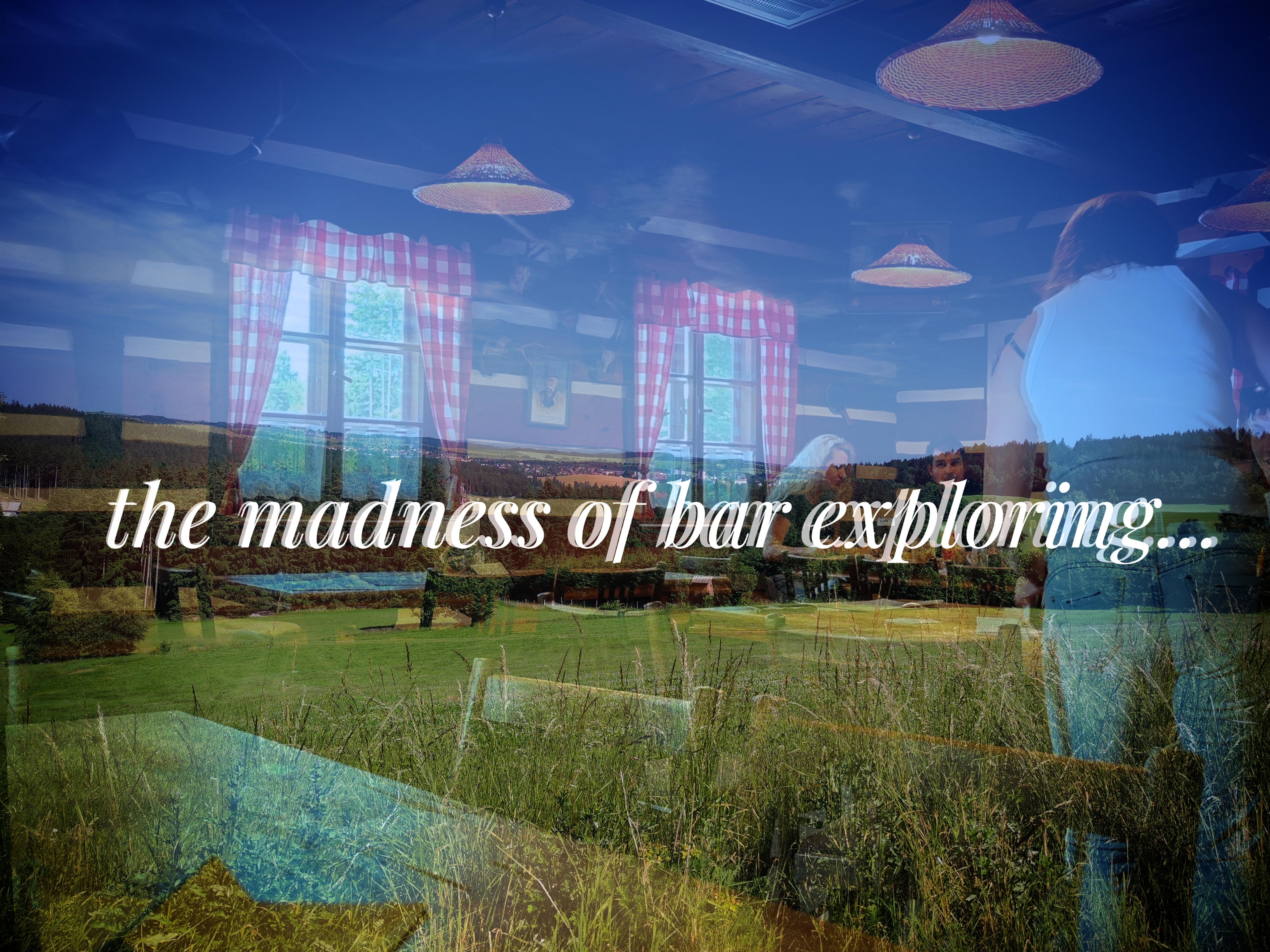
After the success in April of a risky but in the end navigable voyage hiking around rural Franconia to far away brewpubs, (including using the always patchy Oberbayern public transport), I must have experienced a surge of confidence, because I upped the stakes in June, relying on a ludicrous number of connections in order to try several very nice looking pubs in the Žďárské vrchy national park in Czechia all in one day. On a Sunday.

Remarkably they were all open with one exception of Hyltn in Oldřiš which opened only at 4pm by which point I’d be at the other side of the region. Still, given the circumstances, 7 out of 8 targets being open seemed too good to miss out on.

En route we encountered a village called Května (blooming flowers) that was genuinely fields of flowers, log cabins, lakes, a mechanical orchestra, Medieval turrets, a village pub run by an incredibly elderly lady, local life and the cheapest half-litre of beer in Czechia.

Below is a look at the day’s itinerary cobbled together with Mapy.cz and Muj Vlak, the state railways app. Spot the number of short changeovers and absolute absence of a backup if anything goes wrong.


Sunday 22nd June

Train – Vranovice (our base) to Brno 08:24-08:48

Train – Brno hl. N to Svitavy – 08:56-09:56

Train – Svitavy to Polička 10:02-10:29

Walk 10 mins walk from station to centre.

Pub  #1 –  Šenk Nožíře Dobroty,  Polička 

Train –  Polička to  Borová u Poličky (NOT Zastavka, the one after) 12:00-12:11

Pub #2 – Roubenka Borova, Borová u Poličky 

Run (yes, really…) to Pusta Rybna, 4.9km (A fast walk will take 36 minutes so to catch the bus we’d need to arrive around 1pm, which requires departing  at 12:30

Pub #3 – Hostinec Hlučál, Pusta Rybna (who knows how much time we’ll have – have a quick look in)

Bus – Pusta Rybna 842141 bus to Leave at Krizianky dolni konec stop – leaves in the square opposite the pub – 13:08 – 13:20

Bus – Krizianky dolni konec 842140 bus – 13:25 to  Nove Mesto na Morave rozc. Kadov (halfway to Nove Mesto, crossroads of Kadov) 13:42

Walk to Kadov – 18 mins – arrive 14:00

Pub #4 – Hostinec U Janečků, Kadov 

Bus – Bus 842143 from square opposite pub to Tři Studně – 14:43-14:53

Pub #5 – Krčma na náměstí, Tři Studně 

Walk to Hostinec s orchestriónem 8.9km / 5.5 miles – should take about 1hr 20 // 15:45-17:05

Pub #6 – Hostinec s orchestriónem/Hostinec Veselíčko, Veselíčko 

Bus 842130 – Veselicko to Žďár nad Sázavou 17:46-17:57  OR 18:22-1835

Walk Exit at Obchodni centrum and walk 6 mins to:

Pub #7 – Süssův hostinec, Žďár nad Sázavou

Train to Brno:  19:33-20:40 or 20:33-21:40

Train to Vranovice later and home.


8 trains, 5 buses, a 5km run and an 8km hike (with a combined 45 minutes of other walking in-between). By the end I’m 7 beers deep with a dying phone battery.

Normally I do these crawls to help guide you to accessible routes, but on this occasion I would advise against it! Not because these pubs don’t deserve a visit – they were lovely.


The pubs were all between good and great and, as a result all of them got on the guide. But I wouldn’t advise trying my route chiefly because it’s something a rather dumb, obsessive and reckless person would do. I needed a bit of luck and got it: superb dry weather, punctual public transport. Nothing snapped, broke or fell out.

But it would only have taken a single mishap for it to turn sour. It was also not possible to spend a good amount of time in a couple of the pubs due to the single and only bus option at Pusta Rybna without which the endeavour would have failed.

This is the bind though – there is limited time, so when the days are long and the forecast is good it suddenly seems reasonable. I wouldn’t bet against trying something similarly daft in future.


Did you enjoy our article? Please consider making a donation to help keep this guide going!

The soft skills of running a good pub

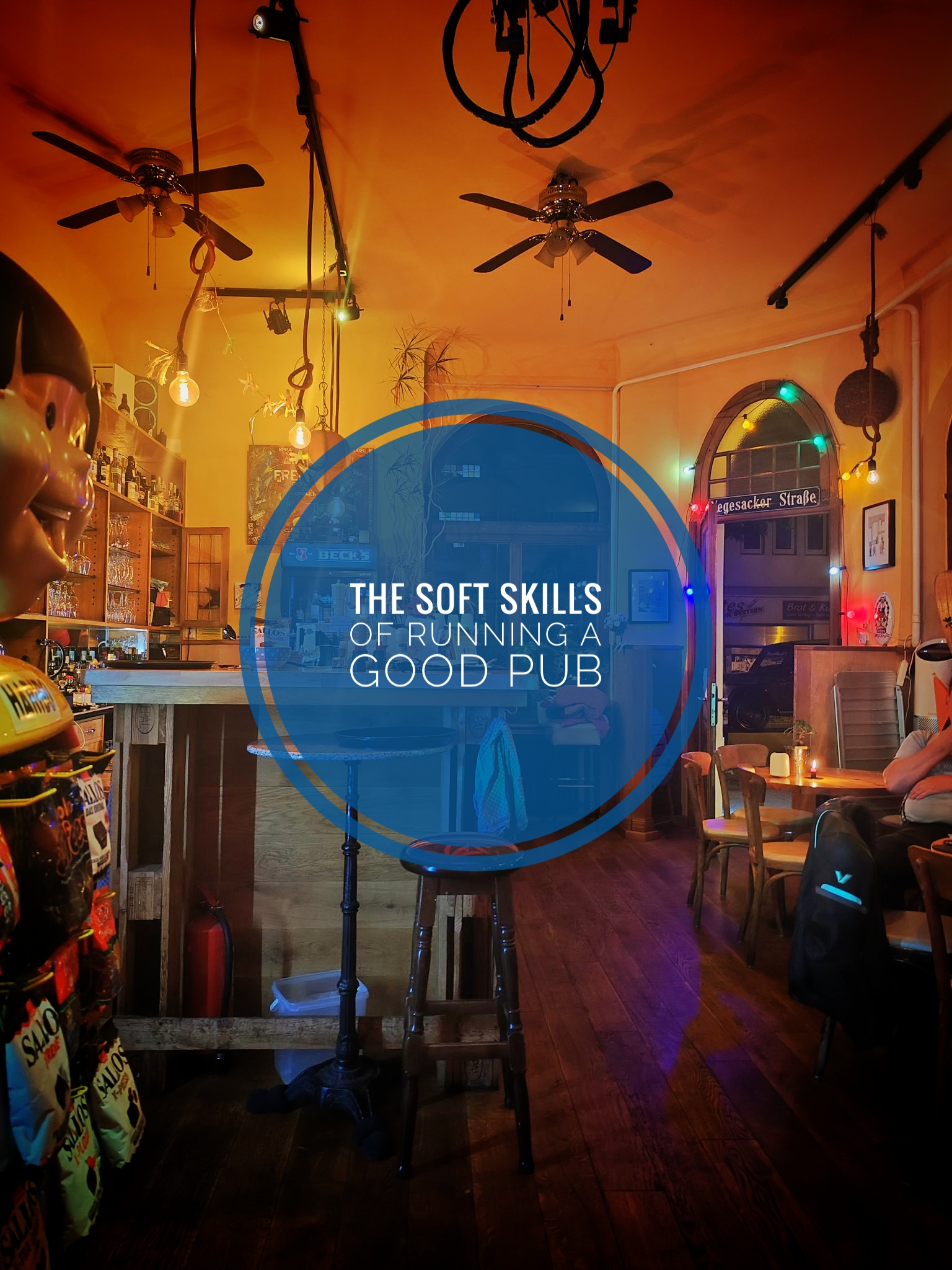
Let’s take you back to August. It’s a pleasant summer’s evening in Walle, Bremen’s West End, inside the bar Hart Backboard on the corner of the main drag into the city centre. It’s our first time here and we’re enjoying it a lot.

The bar is two-thirds full by 10pm, a nice balance. The ambience is chatty and convivial, there’s a warm timbre to the hubbub murmuring around a room lit with candles, fairy lights and globe lamps each adding flicker, twinkle and glow.


Despite being new to the city and to the bar, service is gracious and welcoming, the drinks order delivered directly without fuss, accompanied by some free salty snacks on the side, a small touch some overlook. Their beer selection is nothing specialist, though perhaps a little above Bremen’s average. A Franziskaner wheat beer from the tap arrives, tasting fresh. This still can be a very enjoyable beer if looked after, well-poured and – important for Hefeweizen – drunk at the right occasion. A warm summer evening is certainly that.

Scanning the room, soaking up the environment, it is clear the place is more than the sum of its parts. The care and love lavished on the place (which is no upscale bar) in order for it to feel lived-in, cosy, a venue with its own identity, somewhere you’d happily spend a longer time in, is palpable. The culmination of hundreds of small choices taken over years, the majority of which have added lustre to its appeal.

It is especially notable that Hart Backboard attracts a broad range of ages and gender without either inoculating itself to the point of blandness or over-trying. The very presence of a diverse audience burnishes it further.

There was no rule-book, no guideline for this business to follow that guaranteed this, instead their success is realised through strong intuition, careful judgement and a desire to please.

At these times it is worth pausing to appreciate the soft skills that have brought this about.

For just as there are ways to improve an experience, there are many more ways to ruin it.

All of us have visited venues which may offer a wall of beers, or a historic interior, or live events 7 days a week, but are let down by the poor quality of hospitality, the lack of any sense of welcome, a sense of churn and listlessness (sometimes pure disinterest, sometimes outright arrogance). The venue can be under or overheated, the music inappropriate for the setting or the acoustics in the room incompatible with having a large number of people in it on top of loud music. In late summer to early Autumn flies gather around kitchens and dishwashers spill over into the pub and are not dealt with, meaning you can be swatting these annoyances away well into winter. Sticky tables and floors in the wrong kind of bar shows a neglect, unloved items that change a pub from that nice “worn-in” feel to purely clapped-out. Bad smells. Staff indiscriminately spraying pink industrial disinfectant on the tables next to you. There can also be a meanness to an operation, lacking any attempt to foster the loyalty that ensures repeat custom. No samples, no deals, no loyalty cards, rules placed everywhere in the case of one notorious British brewery and pub chain. the bar almost acting as a barrier between you and the pub you want to love.

These type of places are unfortunately everywhere.

So, in an era where many are complaining about minimum wage rises affecting hospitality (do hospitality workers not spend their money in pubs?) while simultaneously complaining the same workers are staying at home, there are serious arguments that the perspective and emphasis needs to change, focusing on the power dynamics that disadvantage small independent pubs and the profiteering that burden pubs with expensive overheads. In difficult trading conditions there are also small changes pub owners can make, often costing little to nothing which help give customers a reason to return.

Hart Backboard gets this. So do many others. For the sake of throwing examples around – The Fountain in Leek, Piwna Stopa in Poznan, Nabuchodonosor in Toulouse.

Soft skills & small changes improve your pub or bar’s ambience and its sense of welcome, fostering loyalty; broadening and deepening your audience. Many of the best bar experiences we’ve had and the most successful, thriving businesses we’ve visited have been among the most humble and the most giving.


Back to Homepage

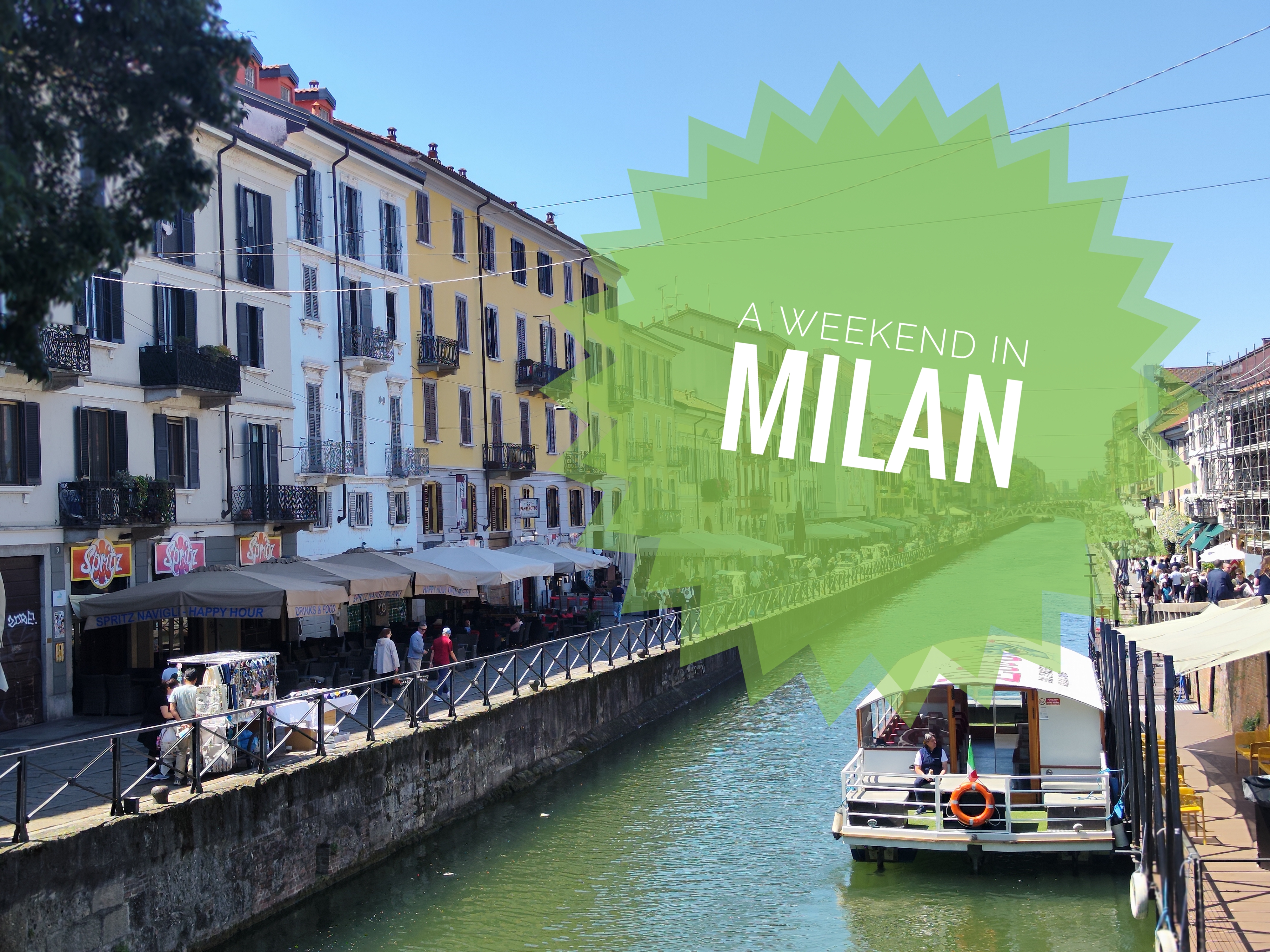
A Weekend in Milan 🇮🇹


Visiting a city for the first time, getting used to its systems and rhythms is always a fun proposition.

Spending a weekend in Milan to -among other things- find its best bars also became an exploration of the city’s culture; its etiquette and formats.

Milan is vast, without many green arteries (only 2 central parks) or visually distinctive neighbourhoods ringing the city centre, other than the canal-lined Navigli. It’s also flat. As a result, rows of apartment blocks stretch onwards as far as the eye can see. It isn’t a walkable city either. Buy a public transport pass, then use everything on wheels or rails you can find in order to get around swiftly.


Outside Navigli, the clear nightlife hub in Milan, the districts of Chinatown, Isola and Porta Venezia contain some clusters of bars you can combine together. The centre? Home to some high-flying, elite cocktail bars or simply famous venues such as Bar Basso (home of the Negroni Sbagliato), Camparino (no prizes for guessing which drink here), and Jamaica whose qualities vary considerably. But honestly, given the size of the centre, interesting, distinctive or superior bars are thin on the ground in Milan’s core. Head instead into the city’s districts which are after all, where ordinary people live.

Milan is not known as a pretty city, so dispel any notions of encountering gleaming ancient stonework or cooing over grand vistas of Cypress-line valleys and streams. Go to Bergamo for that. Nevertheless, Milan is as Italian as anywhere else and fascinating in other ways. The Milanese mindset is functional, adaptable, progressive and work-obsessed. Aperitivo time provides a joyful pause for social space and post-work relaxation. Around golden hour masses congregate, usually on the terrace, to enjoy Aperol Spritz, Campari, Negroni, a bottle of beer or glass of wine with bars offering free snacks and small plates, some increasing the offer to straight out buffets. Because aperitivo is a cultural staple, you’ll find the majority of pubs do not open their doors until 6pm in the evening, with 2am closure pretty standard. Planning for day drinking should be done carefully as a result, because you won’t be able to combine great bar after great bar before 6pm without doing some significant travel and walking.

Italian Tabaccheria culture also provides something you just won’t find in much of Northern Europe. Similar to the French ‘PMU Tabac‘ system, these are places to buy cigs, gamble, but also read the news, grab a beer and a snack and socialise with friends. These vary from the unreconstructed to some real gems which have pivoted to provide good quality modern wares and amenities without losing their soul. This has helped reconnect the younger generation with the old.


Craft Beer, well, you’re generously served in Milan. Brewing is widespread and beer culture occupies a strong minority and point of difference you can’t help but notice. The average offering has been transformed virtually everywhere in the last 15 years, even at the Tabacchi, while stalwarts like the excellent Birrificio Lambrate are complimented by new developments all the time. Be careful not to simply surf from one beer bar with a big tap-list to the next. Firstly, you will miss out on a lot of venues with more good selections that offer much more than a sterile empty taproom, but secondly because you’ll fail to experience the rest of the city’s culture and offerings. Try and dip your toe into something different.


Despite Milan’s endless churn, there are some historic survivors maintaining businesses from the 20th century. The sign of a kindly old lady at the till is both reassuring and slightly worrying to think what may come next. However, some old timer venues such as the wonderful Latteria Carlon appear to be thriving under the wind of being rediscovered. This is now one of the in-crowd places to go, believe it or not.


Milan’s reputation for expense is possibly overstated. I remember as far back as 2008 being charged 4-6 euros for pints of bad lager across Italy. At the time of writing it’s perfectly possible not only to buy good beer at that price in Milan, but get some free food with it at certain times of day. The same applies to wine. You can certainly find bars where you’ll be charged 10 euros a glass without flinching, but you can similarly find Bottega bars like La Coloniale which is pretty central where it’s 5 euros a glass – and not for trash! They offer 20-30 wines by the glass. If anyone speaks English in these places then mine them for good tips and advice!


For cocktails, simply go to Navigli for dozens of options: some on the trashy side, others much more ambitious. We were lucky to get a reservation at the longstanding Backdoor 43, which still claims to be the world’s smallest bar. The owners also run nearby 1930, Iter & Mag Café, just a selection of what’s on offer in this lively district.


Lastly, don’t forget about the kinds of bars that usually fall into the gaps between these different formats and focus. These are the types we try and champion as they always seem to get left off listicles and hype trains. Funky evening spots like Union Club, atmospheric original cafés like La Belle Aurora, out of the way late spots, punk and alternative bars, humble but charming corner cafés.


Final tips: While anyone aged under 40 in Milan seems almost guaranteed to speak excellent English, we’d encourage any visitor to make an effort to converse in some basic Italian and show gratitude, which is just a social lubricant that makes the world go round much more pleasantly here. It’s an expressive culture and a good attitude is frequently paid in kind. As for cash, we didn’t need to pay in cash in a single venue, so unlike Germany and Czechia we are confident enough to say than other than keeping a reserve note in your wallet, do not bother carrying wadges of notes around which could only get lost/stolen.

Milan is very easy to reach and well served by affordable, frequent offerings from a number of airlines and airports across Europe. Although the more distant Bergamo and Malpensa airports are not exactly close by, (which should be factored in when planning a visit), they are a simple connection. In Bergamo’s case it makes a an excuse for a delightful day trip or afternoon there.

Top 100 Bars in Europe 2025


Happy New Year! This is a bulletin as it’s time once again to celebrate the finest bars in Europe.

If you want to cut to the chase – here it is:

Top 100 Bars In Europe 2025

The Top 100 is displayed with flipboxes – each box can be tapped or scrolled over to reveal the name, location and link to the bar profile.

2024 was a year of dedicated exploring for us, with 251 new additions to our guide. Of those, 21 made the cut inside our new Top 100!


Travel in 2024:

January

France 🇫🇷 Strasbourg, Colmar, Eguisheim, Ribeauville, Seléstat

England 🏴󠁧󠁢󠁥󠁮󠁧󠁿 Berwick-Upon-Tweed, Beverley, Walkington, Market Weighton, Manchester, Whalley Range, Halifax, Bradford, Ledsham

Scotland 🏴󠁧󠁢󠁳󠁣󠁴󠁿 Edinburgh

February

Finland 🇫🇮 Rovaniemi, Oulu, Tampere, Turku, Helsinki

England 🏴󠁧󠁢󠁥󠁮󠁧󠁿 Liverpool, Wainstalls, Halifax, Bradford, Sheffield

March

Switzerland 🇨🇭 Basel

Germany 🇩🇪 Freiburg im Breisgau, Aachen

Belgium 🇧🇪 Brussels, Liége

Netherlands 🇳🇱 Maastricht

England 🏴󠁧󠁢󠁥󠁮󠁧󠁿 Halifax, Bradford, Leeds, Saltaire, Shipley

April

Austria 🇦🇹 Salzburg

Germany 🇩🇪 Passau, Innstadt

Czechia 🇨🇿 Strakonice, Čejetice, Písek, Tábor, Pelhřimov, Humpolec, Prague, Olomouc, Brno, Mikulov na Morave, Znojmo

Slovakia 🇸🇰 Bratislava

May

Spain 🇪🇸 Barcelona, Calella, Girona

June

Spain 🇪🇸 Valencia

France 🇫🇷 Perpignan, Carcassonne, Toulouse

July

Croatia 🇭🇷 Zadar, Šibenik, Split, Trogir

England 🏴󠁧󠁢󠁥󠁮󠁧󠁿 London, Tenterden, Ashford, Maidstone, Ambleside

August

England 🏴󠁧󠁢󠁥󠁮󠁧󠁿 Ely, Norwich, Wymondham, Ribblehead, Leeds, Lincoln

Northern Ireland 🇬🇧🇮🇪 Belfast

September

Croatia 🇭🇷 Zagreb

Slovenia 🇸🇮 Ljubljana, Bled, Kranjska Gora

Austria 🇦🇹 Villach, Klagenfurt

France 🇫🇷 Reims, Epernay, Lille

Czechia 🇨🇿 Ostrava, Frýdek-Místek, Valašské Meziříčí, Ostravice, Frenštát pod Radhoštěm

England 🏴󠁧󠁢󠁥󠁮󠁧󠁿 London

October

Germany 🇩🇪 Nuremberg, Windischeschenbach, Weiden in der Oberpfalz, Wiesau, Falkenberg, Bamberg

Czechia 🇨🇿 Brno, Hradec Králové, Prague

England 🏴󠁧󠁢󠁥󠁮󠁧󠁿 Nottingham, Ockbrook, Long Eaton, Leeds, London

November

Denmark 🇩🇰 Copenhagen

Romania 🇷🇴 Iași 

England 🏴󠁧󠁢󠁥󠁮󠁧󠁿 Whitby, Goldthorpe, Leeds, Nottingham

December

England 🏴󠁧󠁢󠁥󠁮󠁧󠁿 Carlisle, Sheffield, York, Hull, Guisborough, Ugthorpe, Leeds, Tan Hill

Scotland 🏴󠁧󠁢󠁳󠁣󠁴󠁿 Glasgow


Back to Homepage

The lurid appeal of the boozer


The Local’s dive.

Down-to-earth, dog-eared, unvarnished but rarely dull. The ‘hyper-local’ dive bar / boozer / pajzl, or whatever you refer to it in your native tongue may be intimidating at first (sometimes at second, third, etc) but these places can be great fun and an eccentric source of charm.

Hyperlocal?

Seems a fitting term to use for venues where the patrons are not only customers, regulars, family, but stakeholders and guard dogs. You are entering territory where you have been made – accidentally or otherwise – to feel like an outsider! Your best hope is to ingratiate yourself or, failing that, make yourself the smallest target possible, by knowing the necessary pleasantries then minding your business and melting into the scenery.

In smaller venues, this is close to impossible – merely by entering their domain you have announced yourself as a curiosity! Be prepared to be talked to, stared at, joked about. Good humour and a sense of adventure are absolute musts.

What is the appeal of entering a place where your best hope is not to be welcomed but tolerated?

It is not only about drinking where the locals drink, but an environment where you can experience conversation or patter between regulars, music and dance from local performers, unusual rituals and etiquette that may not have been observed before, differences and distinctions between countries and cultures. Perhaps the chance to join in with these.

In a strange way, the absence of pretense in humble surroundings is a breath of fresh air – even when the air itself is thick with fug.

Hyperlocals also often have the benefit of appealing to a cross section of society. When culture is becoming atomised, old and young are mixing less and less – many of these places buck the trend. Sure, this is often brought together through a shared love of low prices – but who cares if it makes that difference?


Now, shall we look at some examples?

The Micro Pub (England 🏴󠁧󠁢󠁥󠁮󠁧󠁿)

A largely 21st century development. Changes in planning regulations made it easier for retail/shop space and residential property to be converted into licensed bars, turned into miniature versions of pubs. Micropubs seemed to spring up fastest in Kent and across the South East before becoming common in almost every town of decent size.

It is common for micro-pub owners to be dabbling in their early retirement running a bar as a semi-hobby to keep themselves occupied. The owner’s friends and family are often found by the bar, making them close to living rooms.

Their small size means conversation is overheard, effectively shared which acts as a natural catalyst for cross-chat and speaking with strangers. Often dog friendly which again seems to encourage conversation.

Examples: The Ainsbury, Thackley // Bridge Beers, Stalybridge


Intimidation rating: 2/5 😱😱

Micro-pubs score are relatively low on the intimidation scale – they are usually welcoming, but in some cases you can be drawn into “banter” (or craic / patter if you don’t like that word) where regulars test you out to discover what you’ve got. Sometimes cliquey, and depending on that group and their values, there can be unchecked comments flying around.

Hygiene Rating: 3/5 🧽🧽🧽

A mixed bag. Most are fine – in fact, some can be overly sterilised but, by the same token, some are pretty foul and smelly too. This tends to be guided by the values of the owners and the DIY nature of the business. There is no area manager to come around and tell the staff to sort their shit out.

Eccentricity Rating: 2/5 🥴🥴

As Micro Pubs attempting to ape existing formats (usually craft beer bars, pubs, ale houses), these aren’t the quirkiest of places, but they offer more variety and identity than any chain operations, while their compact size means they will always be more unusual social spaces.


The Tasca/Adega/Ultramarino/Bodega (Portugal 🇵🇹 / Spain 🇪🇸)

Portuguese and Spanish locals have what appears a natural filter screening out tourists and outsiders without seeming like they are even trying. A combination of intimidating format, absence of information to refer to, language barrier, absence of personal space and sometimes boisterous clientele achieves this.

Sometimes it is to their cost – we’ve chatted with some who have complained at lack of outside interest and would prefer to have more footfall.

The Portuguese Tasca or Adega can be as grand as a restaurant (although restaurants have really co-opted what are working class terms), but they are also common to mean a humble snack bar offering small plates alongside glasses of wine or beer. Normally starkly lit with aluminium bar counters and a solitary beer tap. Polaroids and cuttings of old events and highlights pinned behind the bar, old folk perched on bar stools. Families gesticulating wildly over their plates of food.

In Spain, Bodegas, Ultramarinos and Vermuterias are often highly informal places for clutches of people to stand rather than sit, which can be isolating as a solo visitor. There is no alternative but to get stuck in – go to the front, explain what you want. The problem is isn’t obvious what’s for sale. The locals don’t need a menu because they know what’s on offer – these places have been serving the same stuff for decades.

Examples: Alfredo de Portista, Porto / Casa Moreno, Seville / Bodega Fila El Labrador, Valencia


Intimidation rating: 4/5 😱😱😱😱

While service and hospitality is normally willing – most just want to know what you want – the format and etiquette in these places is a maze to navigate, and until you’ve experienced a few dozen it will still feel opaque.

Clientele are not hostile as a rule, but you can encounter times where you feel like an interloper rather than a welcome guest. This is keenly felt in cities with over-tourism. You’ll pick up on that very quickly.

Hygiene Rating: 3/5 🧽🧽🧽

It is certainly common place for Portuguese and Spanish bars to raise an eyebrow when it comes to hygiene. In Andalusia it is not uncommon for leftovers to be ditched onto the floor, which is swept up every hour or so – in theory. Some kitchens and cooks also do not give off the appearance of maintaining the highest or even minimum accepted regulatory standards. That said, often the front of house is kept in pristine condition. Perhaps the gleam off that brushed aluminium has more uses than you’d think.

Eccentricity Rating: 4/5 🥴🥴🥴🥴

Just as you thought you’d cracked these bars, you’ll visit one which changes the format up. Do I sit, do I stand, what the hell is this food I’m looking at? What is everyone else doing? Why are the servers shouting at customers? There’s a danger of a faux-pas at any moment which will announce yourself to the whole bar as the idiot stranger. When you factor in the frequently volatile nature of staff and owners, this is a type of bar that is anything but predictable.


The Pajzl (Czechia 🇨🇿 / Slovakia 🇸🇰)

One of the Kings of this format, there is no sign outside declaring a pub to be a Pajzl (derogatory/endearing term used by Czechs to denote a fun battered, characterful old boozer). Anything from a Hospoda, Hostinec, Restaurace, Krčma, Piváreň, etc can be a pajzl. These are pubs you have to sniff out from a few common themes. Being honest, it takes a while before you will have a satisfactory frame of reference.

The best have a particular glory to them. Luxuriating in their lack of artifice and pretension; their inaction and intransigence a badge of honour. Their appeal is not drawn only from recent nostalgia, but sewn into national folklore, with the historic, long-gone Jedová Chýše (aka The Poison Hut) acquiring a legendary status as a drinking den of iniquity and flamboyant levels of squalor and dilapidation. Even today, certain pubs are labelled as Poison Huts on Google reviews, TripAdvisor, etc.

In a Pajzl you can have fun, forget your worldly cares, place life on pause. They also provide a relief from the sometimes stifling formalities of Czech pubgoing – a total stranger may greet you “Ahoj” (informal) rather than the standard “Dobry den”, the servers can range from down-to-earth cool dudes to the most bone-chillingly icy and unwilling lords of their domain, cries of “ty vole!” are issued back-and-forth. The clientele accommodated in a Pajzl, well, that ranges from the most straight-laced city gents to specimens who you are realistically concerned the skin may slide off their bodies onto the pub floor.

Examples: U Lva, Tábor /  V Lucemburské, Prague / U Prašivky, Prague / Na Můstku, Brno

How to spot these? We can’t guarantee it, but we’ve always found that pub windows with circular inset patterns correspond to a certain era of pub building and are a good sign you’ll be treated to a Pajzl.


Intimidation rating: 5/5 😱😱😱😱😱

A choreography of nerve-shredding elements prompt you to “turn back, flee!”. A mass of turning heads at your arrival, the need to greet servers and customers as though you were familiar, then afterwards their stares and growls of reaction that signify No, we have never met (and, frankly, we don’t much like the look of you). A heavy, often clandestine environment of boozing, like intruding on a collective dirty secret.

However, things generally settle down and before long – especially if you are in company, you will blend into the background. Sometimes, if individuals or staff feel you have handled yourself well you will be saluted on your departure or, such as we have experienced on rare occasions, treated to a handshake, almost as a compliment for having the balls to even try to drink in there.

Hygiene Rating: 1/5 🧽

Not exactly known for their fastidiousness when it comes to sanitation or indeed regimes of any sort, there are usually knowing online reviews about whether or not to trust the food in a Pajzl. Occasionally there will be a surprise as a grotty pub gives way to the most spotless of toilets you’ve ever seen, but just as often you’ll be hoping your toilet visit is, let’s just say, brief.

Eccentricity Rating: 4/5 🥴🥴🥴🥴

The cast of characters in a Pajzl is often what makes them so fun, a form of people watching that could become a spectator sport. Wild growls and grunts may emerge from shady characters playing cards, darts or three cushion pool, meanwhile outcasts, oddballs and inbetweeners young and old are forging their place in the world.


The Brunt Værtshus (Denmark 🇩🇰)

The opposite of clean-shaven Scandi values that is portrayed to the rest of the world, the brunt værtshus, or ‘brown pub’ is nothing less than a national phenomenon, basically the default definition of what a traditional pub is in Denmark.

Also going by terms like Vinstue or Bodega (owing to historic alcohol licensing machinations), these pubs show a couple of things – that working class culture is still tightly bound in Denmark, and that Northern Europeans want a warm room, cosy surroundings and alcohol inside them.

Cheap booze, gambling and smoking are the common themes in these pubs, which are usually decked out in retro signage and wood fittings amidst a palette of browns and reds.

For many months of the year, the outside is the enemy in Denmark, and “hygge” culture means much more than a marketing ploy to sell lampshades, coffee and cardigans. It also denotes the sense of belonging, both within a space but among a people. In Denmark that means old and young together, a mixture that makes these pubs sing.

Examples: Diligencen, Funchs Vinstue, Bodega 48 – Copenhagen


Intimidation rating: 2/5 😱😱

For many, the smoke and dingy surroundings may intimidate, and some pubs off the beaten path may result in a few older heads turning, but the usually decent service and an overall tolerant atmosphere will put you at ease.

Hygiene Rating: 3/5 🧽🧽🧽

Nothing shrouded in a plume of cigarette smoke is really going to be clean, is it? All the same, there is usually reasonable effort made to clean surfaces and toilets.

Eccentricity Rating: 2/5 🥴🥴

As with all these bars, the den-like nature of a brunt værtshus pulls in a range of characters that would perhaps be uncomfortable elsewhere. However, this is Denmark, so they aren’t normally as florid or eye-opening – which is not to say such individuals aren’t out there! Often privately-run with the personal touch ensuring more distinction than corporate or chain ownership.

Honourable mentions

If you’re looking for cliquey local life in Germany 🇩🇪 then a village pub like a Gasthof will be your place to go, although they aren’t true dives, so instead find a raucherkneipe (smoking pub) as they can have the right combination of cosy, cliquey, local and unvarnished. The Pilsstube also applies – highly informal, lacking airs and graces even by the direct standards of Germany – and can be particularly intimidating.

In France 🇫🇷, Tabacs, or the Tabac PMU are their closest example – imagine a petrol station store or a newsagents where you’re allowed to drink and gamble. Yeah… great, eh?

Balkans Caffe Bars are too much of a catch-all term to include here, but you will find some that fall into this format, likewise the ‘Bife’ in Serbia 🇷🇸. Smoking and a strong contingent of regulars, locations that will not expect outsiders and a superficial gruffness to service and customers. Similar places can be found in Bulgaria 🇧🇬 and Romania 🇷🇴 but are far less common.

In Poland, the knajpa, old style small pubs with let’s say ‘grown-up’ clientele technically exist but are almost extinct. Likewise in the Baltics, because the neighbourhood/suburban boozer has almost vanished entirely.

Certain Irish 🇮🇪 pubs outside the larger towns and cities operate as grocery or hardware stores and these can be particularly characterful, locals-only venues. Some village pubs or roadside pubs are in such remote areas that they are unused to newcomers and such is the Irish knack of conversation, the ‘outsider experience’ is a guarantee, even a rite of passage.

The Czech 🇨🇿 Vinárna or Hungarian 🇭🇺 Borozó, working class wine-focused pubs, are formats often reserved for the owner, their families and friends these days. These are dying out fast as they are family-run, independent but have no future because they have fallen out of fashion with the younger generation. Hopefully there is time to turn that around, but it seems unlikely. Worth exploring.

Hungary 🇭🇺 also offers a funny term: “késdobáló”, or “knife-thrower”, referring to rough-and-ready pubs which descend into debauchery and beyond.


If you are interested in the many other terms for pubs and bars in Europe why not browse our Glossary?

Trouble In The Provinces? 🇨🇿


Explore more of Czechia 🇨🇿 in our country guide!

This month, EBG travelled to 5 Czech 🇨🇿 towns off the normal tourist route: Strakonice, Pisek, Tábor, Pelhřimov and Humpolec.


What we found was concerning considering Czechia is renowned for being the only Slavic nation with a true pub culture.

Culture can’t be taken for granted. It must be nurtured. It relies upon stakeholders acting with a duty of care and civic mindedness, but also a system that empowers such people to make a difference. It cannot be left to the whims of the market.

This is far from unanimously accepted though.

There are two main schools of thought on this topic:

1. The economy is an external force we are all subject to and must obey, the conditions are beyond the power of individuals or small businesses to combat and must simply be accepted along with prevailing trends. To fight against those or innovate is futile.

2. Culture derives from innovation and human impulse, hence why it survived and thrived in harsher conditions in the past. The conditions where culture flourishes depend on the actions of individuals and willingness to bring something new into being.

That may be diving quite deep, so let’s come up for air a moment and discuss our experiences from the Czech provinces.

Strakonice 🇨🇿


A town with a large brewery and other small breweries nearby, along with an excellent pub, Forbes. However, signs of fraying at the edges are apparent, with the nightlife hub Port Arthur bar gone and an absence of a focal point or cluster that would create healthy nightlife. The main brewery does not appear interested in helping, with its operations being lunch diners rather than venues to hang out and socialise.

We heard from the brewer at Pivovar Čejetice, (a lovely little operation a 5 minute train ride out of town) that Forbes was due to close due to a leasehold dispute, a Europe-wide issue that endangers successful, thriving businesses. When lost, a pub that is every bit as good as Prague’s offerings, then it is not an exaggeration to call that a disaster for the culture of a town like Strakonice.


Písek 🇨🇿


Relics like Hostinec U Jiřího z Poděbrad are marvellous to find in the year 2024, but beyond the enjoyment of discovering a true survivor, the grim fact is that once the elderly tapsters retire and/or the customers die out, there is no future without the next generation to follow. They urgently need to address this by pulling in new blood, but there is no sign of any desire, foresight, etc to do this.


Yes, that is a 0.5l beer in Czechia for 34kc in the year 2024.

In England a phrase regarding the NHS has become famous: “…it will exist so long there’s folk with the faith left to fight for it.” The recognition of pubs as being of value, but also the subset of reasons they are of value is so important, but it feels like a portion the stakeholders do not appreciate their power; instead the decline is seen as an inevitable external factor, not something within their power to change.

Na Sadech is an example of a pub that must previously have been like the Hostinec above. It has modernised somewhat, although its former character is partly present. This presents a further dilemma. What is “modernising” is often simply sterilising – in Czechia’s case, taking the genius loci from old pubs to turn them into Croatia-style Caffe Bars. TV blaring, overbearing strip lighting, featureless décor and furnishings. In a few more chess moves Na Sadech will become just another formerly good pub that became anonymous.


Tábor 🇨🇿

Tábor is blessed enough to have a range of bars from the gloriously down and dirty U Lva, to a top end craft beer bar, Výčep, with a whisky bar and competent, if unexciting chain pubs. A reasonable offering for a small town. However, we heard when meeting a friend that U Lva’s freeholder is unsatisfied with the money the business makes.

Bear in mind this near legendary pub has been operating almost since the fall of the Iron Curtain, run deliberately democratically to attract a young audience. Yet only now are its takings insufficient enough to agitate their owner? If you have ever been in this great place, you will appreciate the invaluable social service it provides. Young mixes with old with young, rich with poor, it is the leveller you read about when you were getting into Czech pubs. Social bonding which is so crucial to knitting society together and forging mutual respect is happening more fervently at what is a den of iniquity than any other form of pub in the town.


U Lva is special but in a way a certain kind of middle-aged, middle-class decision maker appears not to understand. It is not a charity but who is to say what would replace it would be more lucrative?

How can somewhere like this fold?


Pelhřimov 🇨🇿


Poutník brewery is one of my favourites. An unflashy regional brewer that creates superb traditional pale lager and nothing else, gloriously myopic, but self-assured. The site overshadows the town centre with its looming chimney stacks. Historic working premises and something for the region to be proud of. But where is the action to create venues in their home town for their beer?


The lack of joined-up thinking borders on astonishing. It is odd to say that a town with a traditional brewery in the very centre has nearly no pubs, at least none that are social-focused rather than restaurants. A sorry state of affairs.

Where is the joint responsibility here? Why does the town council and the brewery fail to convene to improve this situation? As you’ll see from the header image, the town centre of Pelhřimov is stunningly beautiful and some Poutník pubs and venues for a younger audience to hangout would enhance the centre.


Humpolec 🇨🇿

Home of Bernard brewery, a regional family brewery whose English equivalent would be something like Timothy Taylor’s. Independent but verging on corporate in size. These are bigger hitters who could transform the town. Centrally located, the smell of brewing fills the air and you cannot fail to spot the branding as you approach the town centre. It is only right that pubs should spring forth from this well. It already dominates Humpolec so surely Humpolec’s prosperity, attitude, direction is within their sphere of influence?


Yet, the situation in the town is also unsatisfactory.

Na Mlýnku is a good start, a popular modern venue with a deliberate attempt to remain casual and pubby while rebooting the Hospoda format for the 2020s, but the sheer absence of pubs elsewhere in town is alarming.

There is no lack of custom, in fact all the select few pubs we passed were busy, but it seems obvious that it would not take much at all for the scene to disappear. A sense of proactivity to address this precarious situation seems lacking.


The Threat

This cannot be left to drift. With the current issues with freeholders, the passing of time with elderly owners retiring there is already enough of a threat to pubs without the various other issues.

It must be noted that the industry is reeling from the shocks during Covid, high inflation for critical costs such as energy, distribution and raw materials for brewers and the withdrawal of Covid era tax support, which combined has sent beer costs spiralling around 10%+ per year. If you’ve had a 10% wage increase this year we’re pleased for you, but most haven’t. This is going to affect the amount customers are willing to spend and how often they go out.

This is perilous terrain and the sizable regional brewers – Strakonice, Poutník, Bernard, must step up and serve their towns –  not just with eateries but by supporting or even running more social venues where beer is drunk in volume, not just a pilsner to accompany a meal. These are big players who export high volumes across Europe and have fingers in many pies. To suggest they can’t do this or wouldn’t benefit from it doesn’t make sense.

Town councils also must intervene and be more municipally minded. Culture is nurtured and just as a plant needs protection from the whims of the weather, so do pubs. A Czech town with a certain population, say, 10,000 should, if healthy, have approximately 1 brewery pub, 6 or so regular pubs, a few of which do hot meals, a dedicated live music venue and a couple of late bars. Potentially a craft brewery or modern beer specialists too. No-one is asking councils to fund pubs outright (although this does happen in the case of Obecní hospody) but to make sensible, timely interventions as and when circumstances arise.

There should also be care to ensure a skeleton of these are open on Sundays and Mondays. Why? Because the economy suffers, business suffers and people suffer from an inability to connect these elements. If these towns wish to have visitors and residents who participate and spend money then the towns need to actively function, including their nightlife and social scene, not simply shut down with a middle-finger salute to anyone passing by.

You would assume pub users would be the first in the vanguard here, however many pretend that the economy is an opaque entity like the monolith from Space Odyssey, something that is imposed upon you and can’t be understood, simply obeyed. That is a charter of decay, and decline. None of the successful entrepreneurs (who many of the disciples of this attitude deify) in human history have ever thought like that.

What is with the odd duality here? A budding entrepreneur is never lectured to comply with the market – they are encouraged to innovate. It is only apparently the general public, whose disquiet must be quelled and accept what is imposed on them.

The threat, which is all too apparent, is that the tradition of pub culture dies out in the very heartlands where it thrived. Not because people just decided to stay at home, but because the stakeholders failed to water the plants, failed to be bold, failed to live up to their obligations and snuffed it all out.

It is apparent that if only a few things go awry these towns will become pub deserts.

– Jack Anderton, European Bar Guide Editor-in-chief (Head Honcho)


Explore more of Czechia 🇨🇿 in our country guide!

The Big Roundup of 2023!

Happy New Year! As we wake to a bright dawn on New Year’s Day 2024 we can’t help wondering what’s around the corner this year. But first, let’s draw 2023 to a close with a roundup of our activities, travels and the best new finds of the year!


January

Places visited: 🇫🇷 Rennes, Césson-Sevigné, St. Malo, Paris, Vitré 🏴󠁧󠁢󠁥󠁮󠁧󠁿 Leek, Macclesfield, Manchester

Venue of the month: La Java Café, St. Malo

A first trip to Brittany on Eurostar proved a fascinating one with Breton Celtic culture influencing the pub and bar scene, the ubiquitous Blé (Black wheat) sneaking into some of their beers too. Rennes was a very lively young feel city with an old centre that spans the gamut from tasteful to tacky, St. Malo was probably the standout of the trip for its austere militarism, skyline and sea views, as well as hosting one of the bar finds of the year, the dazzling, idiosyncratic La Java Café, otherwise known as the bar with the longest name by the port opposite the street next to the butchers round the corner above the church etc, etc, etc…


The small preserved Medieval town of Vitré was the scene of a crisis as an ATM swallowed my sister’s debit card, then, bafflingly, it happened to me hours later in Rennes leaving us surviving on online purchases and a dwindling cash reserve all the way back to London via Paris. The time in Paris was far more fraught than we’d have liked. Both of us have since acquired new credit cards as a backup – don’t let that ever happen to you! Also, pick a bank with international branches if you travel a lot.

Read more about it in January’s blog post.


February

Places visited: 🇸🇰 Bratislava, 🇨🇿 Brno, Kolín, Prague, 🇷🇴 Oradea, Cluj-Napoca, 🏴󠁧󠁢󠁥󠁮󠁧󠁿 Stanbury, Keighley, Harrogate, Malton, Pickering, Thornton-le-Dale

Venue of the month: Heltai FolkCentar, Cluj-Napoca 🇷🇴

A long weekend with friends to Prague 🇨🇿 began in Bratislava 🇸🇰, discovering a very quirky brewery tap, Muzejny Hostinec in revivalist First Republic era style. A night out in the usual haunts was followed by a few hours around the pubs in Brno 🇨🇿 and an afternoon wander around Kolín, our first visit. A nicer place than immediately meets the eye but not a pub town at all.

By evening time we’d made it to Prague and had an evening out in Nusle, for my money one of the more underrated neighbourhoods – no problem as far as I’m concerned, as that keeps the area less touristy with more local life! It was apparent some of my friends were far further gone than I, and by the time we were finishing up they were falling asleep at the bar.

During the trip we met up with members of Czech Beer Fan Club which is an excellent way to make friends and drinking buddies and explore new venues in Prague.

The second trip, also a long weekend was to icy Romania, arriving in the dead of night to Cluj-Napoca 🇷🇴 ahead of a 5AM 3 hour 30 minute train to the city of Oradea 🇷🇴 in the far North West. It seems somewhat insane to think about in hindsight but these are the decisions that seem to make sense at the time. This was a solo mission so I had no guilt to carry except for myself!

Oradea is one of those border cities with very quirky secessionist architecture and well-meaning spurts of EU funding which means a lot of the centre is in a surprisingly good condition. Like most Romanian cities, pub-life during the day is sleepy to non-existent and there really is almost no point even starting until after 6 in the evening. Several cool alternative hangout spots repurposing old buildings made a distinctive impression.


Back in Cluj-Napoca, the options really hadn’t moved on much since our last visit in 2018, and where they had, mainly for the worse. However, trying the door to a dark, quiet and seemingly closed Heltai Folkcentar 🇷🇴 ended up being one of the finds of the year. Raw, totally unpretentious Hungarian culture club with raucous live folk performances, dancing and dirt cheap booze. Highly recommended.

Read more about our visits here:

A Weekend In Prague

A Weekend In Romania


March

Places visited: 🇪🇸 Seville, Málaga 🏴󠁧󠁢󠁥󠁮󠁧󠁿 Sunderland

Venue of the month: Garlochí 🇪🇸

Our return to Andalusia after November 2022’s trip to Málaga, Cordoba and Granada finally won us over to tapas culture. An intimidating and ultra-informal setup makes it less suitable for the uninitiated, particular for solo missions, but experienced as part of a group, it can really work. The intimidating aspect is not having much of a menu, not knowing what half the dishes are called, and not being able to speak much Spanish, while being surrounded by people who do in close proximity. I would advise those of a nervous disposition to steer clear. However, once you get used to the rhythms, you’ll always have a few backup options. Standing and chatting with a caña and something to nibble on in such a casual environment is really something not to be missed.

Seville ties together all of the charms of the other Andalusia cities while also being for a city of its size ridiculously untouristy and un-commercial overall. The old centre is extensive and arch-traditional – while it may not have the range of show-stopping architecture as some, the ensemble and the wider culture is what leaves the impression. We discovered 20+ high quality tapas bars, non-corporate Flamenco venues and some quirky one-offs.

Catholic kitsch can be a treat for the senses and at late-opening Garlochí it was like stepping into a shock exposure therapy version of it!


Read more in our blog post on Seville, or try our Days Out feature guide – a bar crawl around Seville.


April

Places visited: 🇸🇰 Bratislava, 🇦🇹 Vienna, Graz, Thal, 🇸🇮 Maribor, Ptuj, 🇭🇷 Varaždin, Zagreb, 🇨🇿 Brno, Prague, Turnov, Liberec, 🇩🇪 Zittau, Görlitz, 🇵🇱 Zgorzelec, Legnica, Wrocław, Poznan, Bydgoszcz, Torun, Warsaw, Łódź

Venue of the month: Chmury, Warsaw 🇵🇱

Easter is always the time for our big trip away of any year, extended this time to 24 days in a sprawling trip across central Europe that started by dipping south from Bratislava to Zagreb before loop-the-looping back to Bratislava working North through Czechia, Germany and exploring Poland.

The first half of the trip was memorable for pleasant spring weather and exploring, from Arnold Schwarzenegger’s museum in Thal to Ptuj Castle and Zagreb’s monumental Mirogoj cemetery. However, while the quantity of good to very good bars piled up, by the half way stage we were left scratching our heads why there hadn’t been a real standout. Normally by that point we’d have discovered a Top 50 contender or two. The best were probably nearer the beginning in Vienna, with the iconic Loos, Trzesniewski & Jazzland 🇦🇹 that had been on the radar for years but only just got to visiting.


The second half of the trip turned bleak with the first full day in Prague being the most continually wet I can remember on my many days spent there. Still, I could think of a few indoor activities, I’m sure you can too.

Turnov was “an experience” of provincial Czech life, a town around the same size as my home town Barton-upon-Humber, which allowed for some interesting juxtapositions. It has an excellent brewery but no good pubs to speak of. The main reason to visit was for the spectacular hiking in ‘Bohemian Paradise’ on the doorstep.


Liberec ended up being another damp squib really, and with it being a Monday, the first ever visit to Zittau was even worse, without even a pub-restaurant open when we visited mid-afternoon. Things picked up in misty Görlitz however, returning to the genuinely lovely Bierblume a wonderful place to while away a couple of hours before the train.

The last leg in Poland was a series of ups and downs – nothing to report in Bydgoszcz or Legnica (pretty shocking given the size of those places) and Poznan was ruined by bad weather with the whole city centre being roadworks, but the city of Torun was marvellous with some interesting bars and breweries too. Warsaw was obviously going to be a tough nut to crack in 3 nights but we managed a very good effort, and Łódź had a novelty factor even if it did lack a standout pub.

After 24 days on the trot of bar exploration it was time for a break of…*checks calendar*….5 days.

Read more about our April travels in our blog entries:

Part 1Austria & Slovakia

Part 2Croatia

Part 3Czechia & The Borderlands

Part 4Poland


May

Places visited: 🇸🇰 Bratislava (again, twice!), 🇦🇹 Vienna (again, twice!), 🇷🇸 Niš, Belgrade, Novi Sad, 🇭🇷 Osijek, 🇭🇺 Pécs 🏴󠁧󠁢󠁥󠁮󠁧󠁿 Preston

Venue of the month: Graffiti, Novi Sad

The fixation on Bratislava and Vienna was not by design, it just so happened there was a Saturday morning flight out to Bratislava virtually any time I wanted it for a good price. Over the course of the year that proved too good to resist.

A weekend in Bratislava and Vienna is never going to tire, and combining a family & friends trip worked out nicely. Vienna has proven one of the toughest cities to crack, one where you really need to know your stuff to get the best out of it, and so the earlier visits this year helped pick out the best bits within the limited timeframe. We also got to visit eye-popping little pub Bockshorn, another iconic central Vienna institution, for the first time.


The next visit simply used Vienna as a launchpad to get to Serbia. Our last trip there was in 2013 – where does the time go? It felt right to return but also to see more of the country. A flight to the southern city of Niš was the starting point. Here is where to go to feel a long, long way from home. The classic harsh juxtapositions of dilapidated towerblocks, tacky post-communist capitalism and badly maintained ancient fortress say ‘Balkans’ loud and proud. Nightlife in the centre is loud, fairly unabashed – not particularly interesting or sophisticated but at least people are out enjoying themselves. A brewery taproom in the residential area proved the highlight.

A long trip to Belgrade followed, somehow still being better served by bus than train. Aching limbs as I exited the bus to steamy temperatures and the view of really one of Europe’s mind-blowingly ugly cities. One thing Belgrade does have going for it is a diverse range of bars – from the Cetinjska semi-ruin bar type complex in the centre, the sprawl of brewery taprooms and craft beer venues in Dorćol, the revived ex-industrial chic of Sava Mala, and Vračar the ‘Vinohradsky’ of Belgrade, if you like. Be prepared to do miles of walking if like me, navigating the public transport and tipping proved impossible.

Ironically, the two closest cities are best served by train, an implausibly space-age, smooth and lightning fast trip to Novi Sad felt almost underwhelming after the Balkan autobus epic between Niš and Novi Sad. I’d only passed through Novi Sad once before in 2013 and it looked an absolute sh*thole, but careful research since showed that was simply first impressions left by the bus station area (and aren’t they nearly always like that). Novi Sad was the standout of the trip with a more progressive vibe, proper alternative hangouts, a friendly low-key atmosphere and – if you include Petrovaradin fortress across the river, an impressive overall ensemble of monuments and architecture. It won’t be on many people’s to-do lists, but it should be. Some great bars in the shape of Graffiti, Crni Ovan and Foxtrot to name only the real standouts.


I ended up stuck there an additional night by accident due to there being no buses or transport of any kind between Novi Sad and Osijek in Croatia, highlighting the economic futility of nationalism. Osijek is a large city close by yet has two buses a week. Embarrassing. Left at the bus station in a comically apt thunderstorm getting soggy and trying to use the spots of good wifi to work out what to do, the obvious answer was stay in Novi Sad until the next bus out of there.

After all that effort to reach Osijek I actually left straight away to Pécs in Hungary – accessible via two connecting trains – not that difficult but definitely out in the middle of nowhere if anything went wrong. Pécs is a historic city with Roman and Eastern influence and for a brief 10-15 minute walk you’ll be very impressed by its centre. As with most Hungarian cities these days you’ll find some good quality courtyard and quasi-ruin pubs and a couple of craft beer venues. The flipside, you’ll also find a couple of really old-school surviving outfits that have barely changed since the 1950s. Enough to keep you going.

The trip ended back in Osijek – a weird city with two centres – a historic centre and a downtown – separated by a long walk, neither of which feel like they’re quite active enough to justify that. However it also has a tram system and you’re scratching your head trying to work out whether it’s an important place or not. Bar options are limited but some pricey craft beer bars will keep you afloat.


June

Places visited: 🇵🇱 Kraków, Katowice

Venue of the month: Café Szafe, Kraków

I reached a ‘what to do/where to go’ state of boredom in June and decided to return to Kraków yet again because frankly, why not when there’s Kazimierz, the neighbourhood with the highest density of good bars in Europe, and a city that’s in my top 3 all-round European destinations anyway.

To apply at least some novelty to the visit I took the train to Katowice for the afternoon, playing on retro PCs at their incredibly good volunteer-led computer museum and then heading to their bars. There’s a pretty predictable Polish spread of craft beer venues (including cask options) and those stylish vintage/antiquey bars.

Back in Kraków, staying near Błonia gave opportunity to try a few new bars out near there, the best of which was the terrific Café Szafe which was having some bizarre summer festival celebration with hay on the floor and partygoers wearing meadow flowers and hats. It is one of their almost permanently open bars which is sleepy 85% of the time before bursting into life in the small hours of the morning. This blurry shot I took seems to sum up the experience.


July

Places visited: 🇨🇿 Prague, Kutná Hora, Karlovy Vary, Cheb, 🇩🇪 Weiden, Windischeschenbach, Neustadt an der Waldnaab, Neuhaus an der Waldnaab, Falkenberg, Nuremberg, Bamberg, Dörfleins, Forchheim, Erlangen, Munich, Freising

Venue of the month: Beim Käck´n, Neuhaus an der Waldnaab

What were intended as two trips morphed into one as personal plans and friends collided, so a voyage through Bohemia and Bavaria ended up as a summer holiday of sorts.

Prague was Prague – different experiencing it in mid-30 celsius temperatures, but the core appeal is the same. We had a wonderful time and expanded the guide further. Tourist trips to Kutna Hora and Karlovy Vary were necessary – they are not great pub towns though. Likewise a lunch stop in Cheb, somewhere I’d last visited in 2016 was a stop along the way.

The German leg of the trip was going to feature something totally different. Our first visit to the Oberpfalz to experience Zoigl culture. Wonderful rural hospitality, communal brewing and cheap prices characterise the Zoigl experience which is not to be missed. These venues open their doors on rotation only once a month, so you have to consult a calendar to avoid disappointment. It was well worth the effort. For any beer fans particularly, this should go down as a bucket list experience.


On the flipside, the much-vaunted Annafest in Forchheim’s Kellerwald proved to be a let-down. I had hoped it would be a smaller scale, less tacky and palatable Oktoberfest. Wrong. Price-gouging, an almost total absence of the supposed folk-culture underpinning the festival, and corporate crap all the way didn’t justify the toll on your body of swigging 1l steinkrugs of Festbier. The only notable element was going on a tour of Neder‘s centuries-old Keller dug under the hill, where the medieval breweries used to store their beer. If you want my advice, visit Forchheim itself and do so any other time of the year where you can find better beer for literally half the price of Annafest in good pubs with good cheer, likewise to visit the Kellerwald on a sunny day outside festival season.

We returned to Bamberg where we ticked off a few more breweries and explored the scene behind the scene – excellent bars that are mentioned only in passing after the beer halls. We also returned to Nuremberg, however there has not been much development in its bar scene in the last few years outside of Tucher’s revival of Opernhaus restaurant and the former Bar Fusser. A day in Erlangen, our first trip there was predictably low-key, however it is not without its charms.

The trip ended in Munich – a stay not long enough to justify getting too adventurous while simultaneously long enough to become bored by the central options. Remind me not to go back to that Tegernsee beer hall again.

Read more about Zoiglkultur in our feature article on the subject, very much a passion project of ours now.


August

Places visited: 🏴󠁧󠁢󠁥󠁮󠁧󠁿 London, Manchester, Stalybridge

Venue of the month: The Pineapple, Kentish Town, London

The only month in 2023 without taking a trip to continental Europe, which always seems fair enough when the weather’s better in England anyway and prices skyrocket in tourist season abroad.

London gave us a chance to explore two neglected areas – Camden & Kentish Town, and Borough where several pubs were long overdue a visit, and nearly all were standouts. What really surprised us, even closer to central London is how overstated the old chestnut about London’s beer pricing is. If you steer clear of certain chains and certain areas we found many pubs still serving cask ale at well under £5 a pint which is not too much more than you’d pay in other major English cities including in the North.

We also visited our first Desi Pub, The Glad which had been in the news due to David Jesudason’s guide published by CAMRA. A friendly, inclusive pub with good ales, cricket on TV, and very tasty food. Throw in the terrace and live music events and you’ve got yourself a cracking boozer.


September

Places visited: 🇵🇹 Funchal, Foz do Douro, Lisbon, Porto

Venue of the month: Pavilhão Chinês, Lisbon

Hiking is one of our other major interests and a trip to Madeira offered excellent hiking (unfortunately not so excellent public transport). Funchal is a compact and reasonably fun city beyond the crowds of pensioners that it is stereotyped for – however don’t expect Ibiza style parties. The nightlife is split between new wave craft bars, bland café terraces and old-school tapas joints – the kind where there’s one weather-beaten dude trundling back and forth with cheap booze and snacks. Madeira is also famous for its eponymous fortified wine and Poncha, a sweet boozy concoction that leans towards its sub-tropical fruit. Both can be experienced at two of its better venues.

Lisbon was a first visit since 2014! Can you believe that? Possibly the highlight of the year, we had the best night out with first time experiences at bars possibly since our first ever visit to Bruges or Kraków – that good. The Luis Pinto Coelho bars are incredibly good and unmissable, A Ginjinha is a ritual and an institution, there are some nice brewery taps in the suburbs and that’s before you get to the music of the Alfama district – which at least we had experienced before. Lisbon’s nightlife really is one of the highlights of being a European, I cannot say anymore high praise than that.


The visit to Porto was the first since 2018. What a distinctive city it is, and I’d be happy with it even if the bar options were wretched. It isn’t Lisbon, but you’ll find enough to keep yourself occupied if not in depth then in variety.

Read more in our Days Out guide to Lisbon 🇵🇹


October

Places visited: 🇸🇰 Bratislava 🇨🇿 Brno, Svitavy, Prague 🏴󠁧󠁢󠁥󠁮󠁧󠁿 Newcastle, Whitley Bay, Ossett, Horbury, Liversedge, Heckmondwike, Thornhill, Dewsbury, Mirfield, Wigan, Manchester, Hull

Venue of the month: U Pilotu, Prague

The first of three very similar trips treading along a familiar route. Svitavy was the only new place visited, an attractive town on the train route between Brno and Prague. Do not go there for pubs though – offerings are thin on the ground. After visiting a quiet neighbourhood pub near closing and the town brewpub, we ended up in a basement Herna bar off the main square playing pool with the remaining night hawks!

In Prague we explored 6 years ago’s bright young thing, the district of Vršovice, particularly the pubs and bars around Krymska street. Lots of decent bars, although perhaps lacking that ‘iconic’ one to underpin a night out there. What’s pleasing is you can still find a few rough-and-ready boozers as well as the arch-hipster Kavarnas and craft places all in the same area.

The following day, we returned to the classic iconic pubs of central Prague…


Back at home we explored the inbetweeny bits in the conurbation between Bradford and Leeds, particularly Ossett Brewery’s pubs, while a trip to Newcastle and Whitley Bay provided pleasure in old classics and new finds. We also took a trip to Wigan for the first time to its 2 excellent station pubs.


November

Places visited: 🇸🇰 Bratislava 🇨🇿 Brno, Tišnov, Prague, Zlín, Malenovice, Olomouc, 🏴󠁧󠁢󠁥󠁮󠁧󠁿 Manchester, York, 🇮🇪 Dublin 🇪🇪 Tallinn

Venue of the month: Valli Baar, Tallinn 🇪🇪

Two further trips to Czechia/Slovakia followed in November, the more notable being to the southern city of Zlín, a city more or less built from the ground up at the beginning of the socialist era, with a layout that you’ll find vastly different from Czech towns you’ll be used to. There are some lovely pubs scattered around though, and if you want a tourist-free experience, you’ll find one here.

We squeezed in tours around Manchester and York before an exciting first time trip to Tallinn, Estonia that had eluded us for years due to a lack of options from Northern airports. We managed it by flying to Dublin on Friday night, then getting a 5am flight out to Tallinn.

Arriving in snow and -8 degrees Celsius conditions was great for me – honestly I love winter weather, and this turned Tallinn into an icy, dreamlike wonderland. Tallinn’s bar scene is diverse – something for everyone, but missing what you’d call a continuing theme. Valli Baar is a perfect starter – you’ll make friends with whoever’s sat next to you, while there are several adequate modern brewpubs of varying shades of familiar cookie cutter interiors, none of which have really caught alight from a social scene point of view. Prices are virtually identical to England these days – it has long ceased to be a cheapo Eastern Europe destination and I bet in 5 years time it will be closer to Scandinavian prices while people will be visiting England for a poverty pint. A wonderful long weekend, I can only recommend going to Tallinn.


December

Places visited: 🇵🇱 Gdansk, 🏴󠁧󠁢󠁥󠁮󠁧󠁿 Pickering, Cropton, Guisborough, Beck Hole, Huddersfield, Lockwood

Venue of the month: The Shoulder of Mutton, Lockwood 🏴󠁧󠁢󠁥󠁮󠁧󠁿

Discussions about the final trip of 2023 reached a compromise. I was keen to take friends to Tirana 🇦🇱 but settled on Gdansk. Although I’d been to Poland a lot this year (too often really) I hadn’t been to Gdansk since 2015 so it justified another visit.

The snow hadn’t yet cleared so it was a wintery, Christmassy arrival to the city. I must say the centre remains wonderfully atmospheric and something I probably didn’t take in or give enough credit to back in 2015.

Gdansk’s pub situation isn’t like Kazimierz in Kraków where you’re invariably within spitting distance of the next great pub, but the centre has a handful of more than tolerable options, most of which have either great craft beer or superior lager available. What people overlook is the development of bars in the Tricity area. A 10 minute suburban train to Wrzeszcz (Say it like Vrr-jesh-ch) unlocks a host of new bars to explore which are not exactly next door to each other but show a young local population enjoying their own scene away from tourists. It really is worth checking out.


Awards for 2023

Best 1st Time Visit: Pavilhão Chinês, Lisbon 🇵🇹

Best Beers: Porta Coeli, Předklášteří 🇨🇿

Best Cocktails: Loos American Bar, Vienna 🇦🇹

Best Live Music: Heltai FolkCentar, Cluj-Napoca 🇷🇴

Best Outdoor Venue: Kasárna Karlín, Prague 🇨🇿

Best Cultural Experience: Zoiglkultur 🇩🇪 at Beim Käck´n, Neuhaus an der Waldnaab

Strangest Venue: Garlochí, Seville 🇪🇸

Diamond In The Rough Award: Czarny Tulipan, Torun 🇵🇱

Best Night Out: Lisbon 🇵🇹 , 14th September

Cities With Most New Guide Entries: Seville 🇪🇸, Zagreb 🇭🇷, Prague 🇨🇿

Best value drink: 0.5l Zoiglbier for 2.50 euros at Beim Käck´n, Neuhaus an der Waldnaab 🇩🇪

Cheapest drink: 29 crowns for Staropramen at Hospudka U Baby in Prague 🇨🇿

Award for Most Things Crammed Into A Room: Tie between La Java Café, St. Malo 🇫🇷 and Bockshorn, Vienna 🇦🇹

Nicest Surprise: Novi Sad 🇷🇸

Biggest Letdown: Bydgoszcz 🇵🇱

Worst Product vs Experience ratio: Põhjala Brewery & Tap Room, Tallinn 🇪🇪


In Summary…and hopes for 2024!

Of the possibly 450+ venues we visited in 2023 for the first time 256 were worthy of an addition to our guide. This expansion has required a lot of work to add to our maps and profiles, but it really fleshes out our offer to become arguably the single best resource on the internet to find the best of the best pubs and bars in Europe. That’s something to be proud of.

Our profile has also grown: for instance we were invited to be interviewed by Evan Rail for VinePair in an article considering the distinctive curio that is the Station Pub.

https://vinepair.com/articles/train-station-bars/

We’ve also featured in many local newspaper websites, one recent example being during our visit to Sunderland earlier this year. We’re hoping that will continue.

Site traffic came close to tripling in views and visitors versus 2022, which are all good signs leading to 2024.

Our biggest ambition for 2024 is to finish two e-books we’re working on, and to cover a few glaring holes in our map. So far we can confirm we’ll be visiting Strasbourg, Edinburgh, Finland, Salzburg, Passau and rural Czechia in 2024, but that really is just the start.

We hope we’ve given you assistance and enjoyment, as well as inspiration! All the best from here at EBG towers for a Happy New Year!

Notes on Zoiglkultur 🇩🇪

In July 2023 we experienced the Upper Palatinate’s ancient Zoigl tradition first hand. Since then, we’ve returned each year. In this article you will find out what Zoigl beer and culture is all about. We hope you’ll be fascinated and keen to experience it yourself!


What is Zoiglkultur?


Between the years 1415-1522 around 75 small communities in a sleepy corner of Germany near the Czech border, were granted brewing rights enshrined on the title deeds of each eligible property. Families earnt Royal and therefore legal permission to brew beer at a communal brewery in their town and open their own houses to locals and visitors on rotation and on special occasions. With rights come responsibilities, and each brewer has a collective duty to maintain the brewery and pay in to a communal kitty known as the ‘Kesselgeld‘ (Kettle gold).

Spin on to the present day and the tradition of communal brewing remains alive, creating what are in effect transient pubs, which open only a few days each month. These pubs are why we, The European Bar Guide visited the region.

Beyond novelty value, the limited nature of each opening results in certain effects – some deliberate, some happy accidents. Each occasion feels special – you will not forget an evening experience when the whole neighbourhood turn out. The hosts know life will return to normal after their turn has ended, and are revived by the time it is their turn again, which helps prevent Zoiglpubs becoming tired or stale. In the case of Reinhard Fütterer of Schafferhof Zoiglstube in Windischeschenbach, his day job is a professional chimney sweep, and is keen to point out that he prizes the social value beyond any money he makes. As a visitor, knowing that you are unlikely to ever finish the full set of Zoigl pubs and beers will either inspire you to dive deeper or divest you of any stress accompanying those completist urges. Lastly and definitely most profoundly, Zoigl culture binds the community as neighbours become friends, their knowledge and resources are shared and the tradition is repeated and reinforced through generations.

This has been recognised as “intangible cultural heritage“, by UNESCO, as their inscription confirms.

Because no true Zoiglstube is open every week, some forward planning will be necessary for your visit. Your reference guide should be the Zoigltermine, maintained by the “Echter” (or Real) Zoigl community. N.B – Please be aware that this only lists the original/real Zoigl pubs, but there are a wider community of Zoigl pubs, as we will explain.

You should also refer to Oberpfaelzer Wald‘s Zoigl Kalendar (.pdf format – 2024 edition) which lists the true Zoigl pubs in bold as well as opening times for other Zoigl pubs. The others may brew their own Zoigl or buy it in.

Lastly, for your convenience there is a Zoigl app and website which is an invaluable resource, but please be aware some of the information is not up to date.

Zoigl itself simply means “sign”, or “show”. It attracted this name because the Zoigl star (a star of David, but also synonymous with brewing guilds) is hung from the gable of a Zoigl pub to show when it is open for business.


What is Zoiglbier?

Zoigl beer production has some agreed parameters – boiling in an open pan over a wood fire, bottom fermentation and, after sitting in the attic coolship it is transferred (via a dairy tank in the case of Windischeschenbach) to their home cellars for lagering and maturation. All Zoigl is to some extent or another a ‘Kellerbier’. Unfiltered, ie. cloudy and usually (though not always) pale lager, but with lower carbon dioxide content than most. You will find the creations wholesome, rich in flavour but distinctly different from one another. Some are simple and indulgent, some subtly complex, some have a wilder approach, others show a high level of skill and refinement. But what all non-commercial “Echter” Zoigl has in common is social binding. Zoigl is best seen as part of a culture above a beer style. This is the merely the milkshake that brings the boys to the yard.


Pub Culture and Etiquette

Expect a more casual approach in the Zoigl pubs than some of the stuffier Wirtshaus venues you may be familiar with around Germany. There is no ‘front of house’ nor gatekeeper, so just like a true pub you wander in and look for a space to sit inside or in the garden/yard. Watch out for the ‘Stammtisch‘, the table reserved for regulars, which is normally the one nearest the bar. There is typically a sign to mark it, but if there isn’t then look elsewhere to avoid embarrassment.

Communal seating is part of German culture, a sort of leveller across class and ages which encourages cross-chat, socialising, bonhomie, etc. It has also given rise to certain rules and rituals – things Germans are also big fans of. Tischetikette requires from politeness to ask if space at a half-full table is free before sitting down, to greet those you’re sitting next to, and, if some food arrives, to wish them ‘Gut appetit’ (as they will do for you). If anyone leaves, bid them Adieu (or, well, you know…) and you may notice your fellow pubgoers rap the table with their knuckles on their way in or out – a curious little habit to acknowledge regulars. As well as general chit-chat, loud card games and live acoustic music are common in these pubs.

Once seated, table service is how things are done, so you won’t find bar service in Zoigl pubs to be typical. However, some may have a Schänke, a hatch to order a quick beer. As for tipping, it isn’t typical to Tip for 1 round of drinks unless there is a big group, but as the service for food/drinks piles up it is common to tip at least 10%. Bear in mind that unlike the touristy beer halls in Cologne or Munich, these pubs are run by families – they are glad you’re there, and the sign of a full house making demands for food and drink gladdens their hearts as well as their wallets. The hospitality is warm, jovial and quite personal too. A few we met were delighted to know we had come all that way. Be reciprocal in your generosity if you’ve had a great time.

Franconia and the Oberpfalz are known for their difficult dialects with crushed consonants and quirky vernacular which flies over many Germans’ heads, let alone foreigners. During typical pub transactional conversation you shouldn’t have trouble, but you may find yourself reacting blankly to something they intended as a joke. Don’t think anything of it. Everyone is there to have a good time.

Lastly, a wide selection of Schnapps/Brandies is nearly always notable on a Zoigl menu card. This is as typical a way to end the evening as you can find. Some of the creations on offer may seem unusual to foreign eyes. You aren’t obliged, of course, but if you find yourself with a friendly group, they may ask you to join in as part of the communal ritual. These can be anything from shop-bought to home made using the brewing liquor created as part of the process.


Prices & Value

True Zoigl pubs are very low-priced by German standards, with the beers as of Spring 2025 being sold between €2.70-2.80 on average (Note: this was personally verified by us), and most dishes clocking in between €4.50-9 (although you will find cold cuts, bread and cheese rather than big meals in most of these places). A good number of Zoiglstube owners are butchers in their day job (or best mates with someone who is) so some of the produce available is as fresh as you will find, occasionally as good as anything available in the region. Yes, you can get double for your money here versus what you may pay in central Cologne or Hamburg.

Zoigl bier is brewed to be consumed quickly. That isn’t to say gulped in 10 seconds, but in terms of each batch they brew. They are open only 3 days a month so the beer and food cannot linger around; it is sold at a fair price to discourage waste.


The Pfiff

There are no small measures of beer – officially, that is – but after your first beer is consumed, you may ask for a Pfiff. This habit (also known as a Schnitt elsewhere in the region) stems from when men didn’t desire or have time to drink an entire beer, but did not want to look feeble among their comrades clutching a smaller glass. As a form of camouflage, the tapster serves a wild pour with a large head that reaches near the top, while containing around 60% of a normal serving. It isn’t just for show, but also affects the flavour and texture. I strongly recommend trying a Pfiff at the end to compare which often adds a drier, rasping finish that is deeply moreish when combined with the sweet, spicy flavours and can elevate an already enjoyable beer to an exceptional one. Just don’t order it as your first beer – that will come across strangely!

This habit has mutated to the point where the huge lager producer Plzeňský Prazdroj (who brew Pilsner Urquell) markets a ‘Šnyt” pour as a kind of epicurean delight (in reality more of a gimmick) whereas the true culture of such a pour has practical, if quirkily amusing origins.

Even the term Pfiff has been co-opted and distorted where, in Vienna 🇦🇹, the famous Trzesniewski snack bars serve 0.15l portions of Ottakringer Gold-Fassl described as a Pfiff. Both Wiener and Oberpfalzer would claim their use is legitimate!


The ‘Echter’ (real) Zoigl Towns:

Nowadays five communities maintain the true Zoigl tradition:

  • Eslarn
  • Falkenberg
  • Mitterteich
  • Neuhaus
  • Windischeschenbach

Windischeschenbach


The main Zoigl hub would have to be the most tongue-twisty to pronounce, wouldn’t it? A small settlement slightly smaller than a ‘market town’, really, but with an enormous porcelain factory in the valley by the train station. You’ll find a not exactly affluent high street and church with some unused land, a building site where the town centre should be. Remarkably unremarkable to have something so remarkable going on. At the last count there are 5 venues to experience “Echter” (real) Zoigl and 8 venues in total although you’ll find no more than 3 will be open at the same time. The bigger, more frequently open venues are Beim Binner and Beim Gloser. There is also Schlosshof-Zoigl, Zum Posterer (which produces Echter Zoigl but elects not to be part of the “Schutzgemeinschaft” official community), Homely Zum Roud’n is the more rustic counterpoint, a real throwback more like drinking in someone’s pantry. There is also the Gasthof Zum Weissen Schwan serving true Zoigl on tap in a pretty pubby feeling Inn and the Zoiglstube Wolframstubn. Sadly the commercial Zoigl brewery Brauerei Würth closed in 2020, diminishing the options available, while the Zoigl-Schänke Loistl Rudolf also appears out of action and is apparently closed for good. However, given the size of the town, it feels very well served with the current roster.

2026 Update (Fiedlschneider which closed in 2024 as the husband and wife team appeared to have called it a day is now back open.


Neuhaus an der Waldnaab


Set on a hilltop, but reachable on foot from neighbouring Windischeschenbach, Neuhaus high street is a 15 minute climb away – not so easy after a few Zoigl biers! An impressive castle with rocky promontory greets you as you duck under the underpass and across the bridge spanning the Waldnaab. In town you’ll find a cute little church and more typically colourful Bavarian houses on the high street making Neuhaus a slightly more aesthetic choice. You will find 6 Zoiglstubn more or less in a line along the main street, with the hotel Zum Waldnaabtal also offering Zoiglbier vom Fass (on tap). The Zoigl pubs are: Bahler, Beim Käck´n, Lingl, Schafferhof, Schoilmichl, Teicher. Again, I must stress it is unlikely any more than 2 or 3 of these venues will be open at the same time. However, combined with Windischeschenbach down the hill, you may find 3 or 4 are open on the same day.

Käck’n is a true classic pub with atmospheric interior and yard, with a Zoiglbier that veers almost towards Czech Nefiltrovaný Ležák in bitterness.

Schafferhof is just a wonderful homely pub comprised of several simply furnished rooms each with a friendly family atmosphere. Their Zoigl is as close to the midpoint of the range as you’ll find; a benchmark.

Lingl is a twee, slightly errant 70s effort, particularly in the main room, although the taproom area is quite characterful, it is often occupied. Their beer is erratic, and can be buttery.

We’ve only spent a short time in Teicher Zoigl gatecrashing a private events but it appeared similar to Schafferhof in some respects and set up for larger functions.


Falkenberg


Approaching Falkenberg offers a picturesque idyll of rural Bavarian life, as you pass wheat fields to a view of a gentle river, field with storks grazing, with distant Schloss, church and the communal brewery. There are 3 Zoigl pubs in the village, 2 of which are often open at the same time. Kramer is both a small pub and a giant barn, with a characterful owner and “Echter”, as is Schwoazhansl-Zoigl. Wolfladl is a homely corner pub with a down to earth family operation. While it is not part of the “Schutzgemeinschaft”, community (by choice) they use the communal brewery and brew “Echter” Zoigl. You will also find 2 Gasthofs which may offer beer and food and a pub atmosphere of sorts. Generally regarded as distant to reach, but we found it is reachable in a few hours hike from Waldnaab, which happens to be a scenic riverside walk. If you hire a bike you can cut further time from the journey. We hiked from Neuhaus to Falkenberg then asked a Zoiglstube owner to arrange a taxi for us back (cost for the ride in 2023 was 35 euros so bear that in mind).

Update (January 2024): We learn that a new Echter Zoigl venture under the trading name “Hafnerkarl” is due to open in Falkenberg. Previously this had been a Gasthof for holiday apartments. This has since come to fruition.


Mitterteich

Small town in the North East Oberpfalz near Marktredwitz. Currently served by a 7620 bus between Mitterteich and Marktredwitz which runs every 90 minutes during the day. There are 2 Zoigl venues which are “Echter” (Real). These are Zoiglstube Oppl, and Lugert (The real deal). Wiesau, with 2 Zoigl venues and a train station is nearby, so combining the two is possible if the dates match.


Update 2026:
Sadly it looks like Oppl has permanently closed leaving the village with only one Echter Zoigl producer left.

Eslarn

A remote village on the Czech border with one Zoiglstube: Beim Strehern. In comparison with the other 4 settlements there is no rotational transfer of brewing to different families, but one master brewer brewing for the whole village. In that sense it stands apart from the full Zoigl tradition.


Other towns to find Zoigl in the Oberpfalz

Weiden in der Oberpfalz – A pretty town in itself with a classic Bavarian town square with gate towers, a characterful town hall on raised arches you can wander underneath, and painted gabled town houses. There’s a central not-very-pubby Brewery Restaurant BräuWirt serving commercial Zoigl (brewed to a similar method but not part of the tradition) among other seasonal styles, Kloine Zoigl Stub’n, a popular little Zoigl pub and Zum Glöckerlbauer a characterful, twee venue on the outskirts.


Neustadt an der Waldnaab – A village easily reached by train from Weiden with two Zoiglstubn. Not recognised as part of the ‘Echter’ tradition, they nevertheless run a pretty similar operation. Beim Brucksaler offers warm hospitality and is a popular spot, albeit without the quirks or character of some. Zum Waldhauser is a homely, rustic, genteel venue that also doesn’t stray far from the venues listed above.


Amberg – A sizeable town of 42,000 people. Not known specifically for Zoigl, but the Zoiglstube Winkler is located in the town centre.


Marktredwitz – A small, but well-connected town with more Zoigl history than there are present day operations. However, you will find Oberredwitzer Zoiglstub´n and a typical town pub Zoigl Am alten Rathaus run by Czechs with Zoigl from Wolframstubn. Don’t look past “Am Strand” which is Nothaft’s characterful brewery tap for Rawetzer Zoigl, which may only be commercial Zoigl but is one of the finest kellerbiers in the Oberpfalz.


Villages & List of Other Zoigl Venues

The below venues either brew their own Zoigl/Kellerbier or buy it from Zoigl families and sell in their own Zoiglstube. Most of these pubs are aiming for the same/similar atmosphere.

(Again I must stress: Consult the Zoigl calendar or ring ahead for opening hours in order to avoid disappointment!)

Other Zoigl Venues

Auerbach in der OberpfalzGrenZ-Zoigl Ranna

BärnauZoigl Hohenthan

BruckhofZum Zapferten

BuchwaldBuchwalder Zoiglstub’n

ErbendorfBeim Meislbeck

FlossZoiglstube Zum Gogerer.

Fuchsmühl Zum Schnapper

GrafenwöhrZoiglstube Zum Adler

Hammerles (near Parkstein) Zum Vinzenz

Kemnath Houderer Zoigl

KohlbergZum Binnerlindl

KonnersreuthZoiglstube Hofner

KrummenaabGrandlhof Zoigl

NabburgMutzi’s Zoiglstube

NeunkirchenZur Gerechtsamkeit

ObertresenfeldZoigl Lounge

PfaffenreuthZum Schreiner Schorsch

PfreimdBene’s Zoigl

PlößbergBräustüberl Riedl

Plößberg-ÖdschönlindZum Waldnaabsee

Reuth bei Erbendorf Zoigl zum Rechersimer

SchirmitzBeim Heigl

SchnaittenbachSchmiehansl – Familie Schadl

SchurbachGasthaus Zum Falter

SchönfichtBeim Gutbauern

SteinwaldWaldhaus im Steinwald

StornsteinZoiglstubn zum Mundl.

TirschenreuthZoiglstube “Hammerer”

TrausnitzZum Lohbinder

WaldershofBrauhaus, Dameradl Zoigl

WaldsassenZum Sprea‘n

Wernberg-KöblitzZoiglwerkstatt Wernberg (The pub is closed but their brewery serves beer at other places on special occasions)

WiesauZoigl Fichtenschacht and Stefflwirt

WindmaisZoiglstube Schreierbrau

Wunsiedel Zoiglmoos


A Map of Zoigl Pubs


Commercial Zoigl

Zoigl culture couldn’t stay confined to a handful of villages; naturally bigger businesses wanted to co-opt its home-spun, countryside vibes for their own means. These days there are many German brewers (usually, but not exclusively Bavarian ones) brewing a ‘Zoigl’. Some are faithful in method, some relatively faithful, some not at all faithful. There are dozens of fantastic beers brandishing the Zoigl label, and they can be enjoyed every bit as much as the “Echter” Zoigl producers, however it is still important to note that these brewers are not usually participants in the culture – they are brewers that sell direct to the market, often only in bottles, sometimes without even having a Gasthaus or pub operation. Commercial Zoigl is shipped worldwide, whereas if you want to drink the Echter Zoigl beer you need to visit the Oberpfalz.


Zoigl in the Allgäu?!

Further proof that Zoigl is a state of mind rather than a beer or some lines on a map is present in the form of Gernot Wildung’s self-built Kommunbrauhaus and his Zoiglstube in Kaufbeuren, a town nearer to Liechtenstein than to Windischeschenbach. Despite the distance from the core culture, this operation wishes to adhere to (where possible) the same traditions and values and spread the message. We visited in 2025 and it was every bit as good as we hoped.


How do I get to Zoigl country?

The vast majority of Zoigl pubs are based in the North of the Upper Palatinate close to the Czech border. On a map, the area looks rural. Between Nuremberg to the West and Pilsen to the east there are no cities and virtually no large towns for over 120 miles. However, don’t despair. The major Zoigl town, Windischeschenbach (and its hilltop neighbour Neuhaus) are served by a train station with frequent trains passing through from Marktredwitz from the North and Regensburg from the South, with the region’s central town of Weiden connecting to the rest of Bavaria.

From Nuremberg 🇩🇪: 1hr 32m train with a change at Weiden an der Oberpfalz. By far the easiest major city to reach Zoigl country from. If you are visiting without a car I strongly recommend this as the simplest route.

From Munich 🇩🇪: 2hrs 54 with a change either at Regensburg or Schwandorf.

From Czechia 🇨🇿: Train from Karlovy Vary, changing at Cheb to Marktredwitz and on to Windischeschenbach. Timings vary substantially depending on connections.


Editor’s Note: All the above information is accurate and up-to-date to the best of our knowledge, however should you identify inaccuracies or have any news or updates please contact me at jackanderton@europe.com


Back to Germany 🇩🇪 page

April 19th-24th – Poland 🇵🇱 – Trip#5 of 2023


You are reading Part 4 of 4 on April’s trip around Europe’s best bars! If you want to start reading at an earlier part in our journey please backtrack to:

Part 1: Slovakia, Austria and Slovenia 🇸🇰 🇦🇹 🇸🇮

Part 2: Croatia 🇭🇷

Part 3: Czechia and Germany 🇨🇿 🇩🇪

In this final part we travel to several of Poland‘s 🇵🇱 central cities: Wrocław, Poznań, Bydgoszcz, Toruń, Warsaw and Łódź!


Day 1: Wrocław & Poznań

Due to frequency of flights and affordability I’ve spent quite a lot of time in Wrocław since my first visit in 2016. It belongs among a handful of cities where I could be dropped anywhere and roughly know my way around. Due to perhaps no more than its unfamiliar looking name, UK tourism really hasn’t taken off there in the same way as Kraków, even though many of its main features – castle aside – are actually reasonably comparable. A beautiful old town, network of waterways, visible heritage stretching from the middle ages to the 19th century connected by a modern tram system – sound familiar? It also has hundreds of little gnomes – that part is different, but I thought you’d like to know about it.

It would only be a fleeting visit on this occasion, but that wasn’t to say we wouldn’t be going to any bars! An early visit to Literatka 🇵🇱, a café bar on the central square gave a glimpse of what the evening atmosphere would be like, but for late morning visit I didn’t get enough of an impression to say for sure. There’s a backroom used for smoking and I understand it is popular with local functionaries and for a while the artistic crowd. Service was friendly and it’s somewhere we’d return to – much later at night.


After lunch at a nearby Bar Mleczny, I had a walk to the cathedral island, market hall and park, before returning to one of our Top 100 Bars in Europe, Art Café Kalambur 🇵🇱. While it’s a shame to not have been able to visit later at night (when the atmosphere is electric it is a beautiful environment to be in at any of time of the day, with its art nouveau stylings and funky adornments. A cinema, café, snack bar and later club/dance hall, this is a versatile, brilliant venue.


I drifted towards two other Wrocław classics, the first being the town square Brewpub/Ratskeller, Spiż 🇵🇱. Calling the venue iconic seems an anodyne description these days, devalued with overuse. It undersells just what a fixture this place has been in the lives of local residents. A cellar venue with huge terrace on the square, allowing for a great experience in summer or winter. Their own brews are last-generation and focus on Polish/German styles, but are not without merit. The beer is often served with bread and home-made bacon lard.
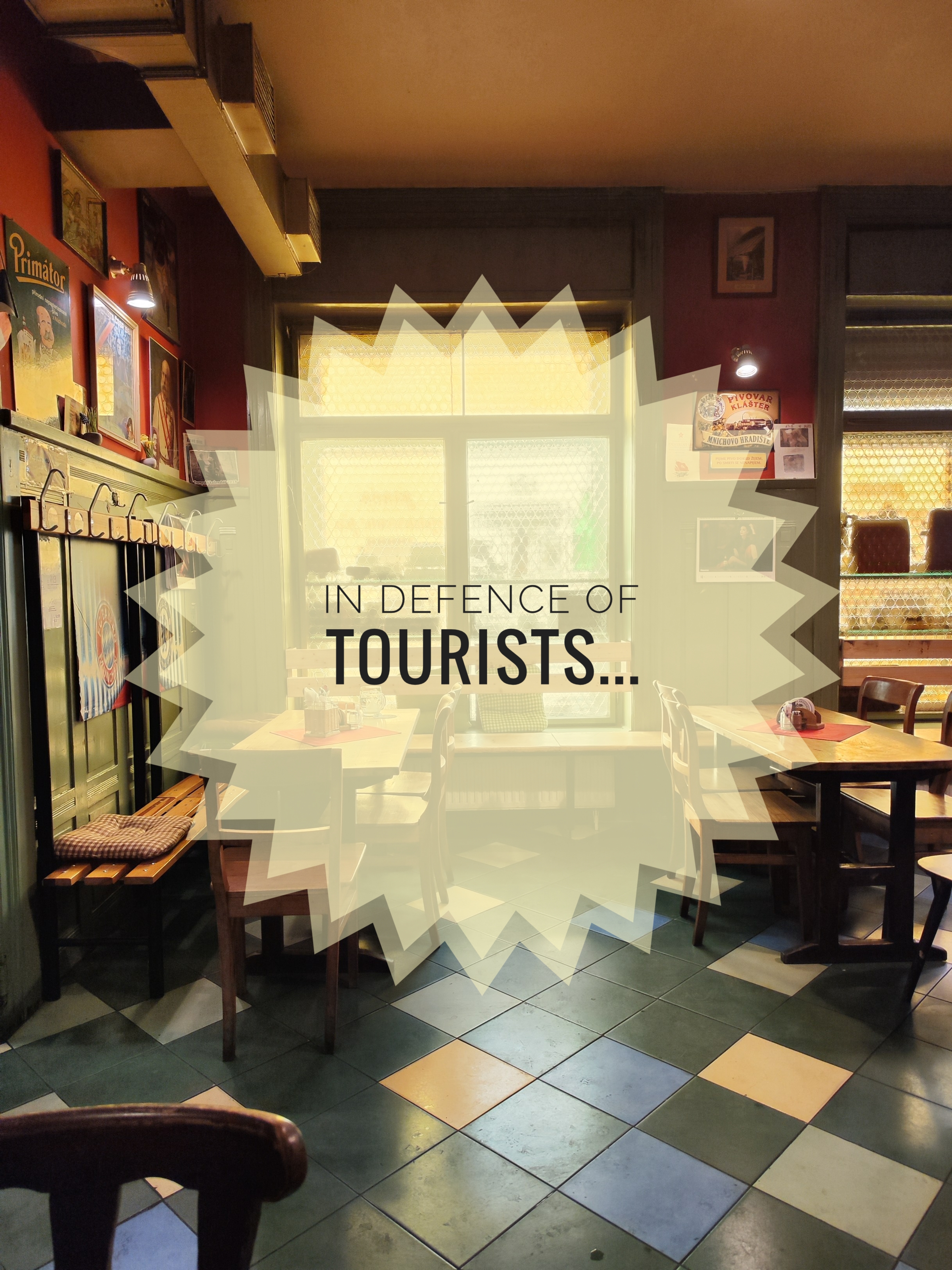


Moving to an altogether more sensual experience, a café bar that for all the world could fit in among the many antiquey, olde-world bars in Kazimierz, in Kraków. After nearby Graciarnia was ruined by some idiots and turned into an ineffective and overrated pizza joint, Mleczarnia 🇵🇱 has carried the flag for this style of bar in Wrocław. Candlelight, vintage furniture and low lighting effectively moves forward time, so while it may have been early afternoon, you can easily feel you are approaching early evening. You lose track of time. Have a beer, take a look at their cakes and pastries. While away the hours in a bubble of relaxation of harmony.


Breaking the spell was the thought of needing to catch the train to Poznań. Fortunately the walk takes you past one of the city’s key nightlife areas, a series of bars built under the railway arches on Wojciecha Bogusławskiego, for a while one of the seedier areas of the city. There are still a couple of sex shops and the occasional dodgy character around but these days it is leaning towards becoming gentrified. One of these bars, Sielanka 🇵🇱 is on our guide, but we decided to try somewhere else, and Cinema Paradiso 🇵🇱 looked worth a try. Part of the decision making came down to the fact people were inside unlike virtually all of the other dozen bars. On entry we discovered a tidy little pub which will prove a convenient stop off/fallback option before a train or tram, or even when going for a night out. The beer selection is a step up for this sort of place with Czech options on tap and a few Polish craft cans in the fridge. Didn’t make the guide but definitely pause for thought. Here are the two duff photos I took of it:


Poznań, by contrast is a city we hadn’t visited since 2016. We were assured by local residents that it was easily the equal of Wrocław. That remains to be seen – but it does nevertheless have an attractive city centre. I wasn’t to know but on arrival that city centre was a building site. Every lane, main road, side alley was surrounded by metal fencing and the paving had been removed. It made getting around a real pain in the arse and of course spoiled the views. This is as good as it got as when we returned the rain turned it into a quagmire:


From a bar going perspective, I was excited return to some of our favourite haunts. Alas, Za Kulisami 🇵🇱 was closed on a Wednesday, but it would be only a 2nd visit to a Top 100 Bar In Europe, Piwna Stopa 🇵🇱. This pub (English name: Beer Foot) is simply superb in everything it does. Melding top quality Polish craft beer with a well-tended garden, a truly cosy, convivial and social interior, and stonking pub grub. It is one of those places that’s painfully far from home, one that I’d make my local within 5 minutes of moving to the area.


After a rest at the apartment we tried a couple of venues for the first time. One, Dragon Social Club 🇵🇱 has gained some level of reputation at home due to it being the local pub for Ben Aitken, author of ‘A Chip Shop In Poznan‘ when he lived in the city. The interior has a purposefully colourful, collegiate feel with some niches that will appeal to different groups and that is perhaps its strength, turning what is in places a quite flowery, loungey venue into somewhere you’d still find punks hanging out. It made our guide, first and only inclusion of the day!


Final stop of the evening (remember this had been a seriously long day out) was at Na Piwek 🇵🇱 , a basement bar and craft beer joint. The combination of the two ought to have worked, yet while it was hardly a disaster, something about the shape of the venue, furniture choices and general ambience failed to fire, despite several groups of people being there. Photos may make it look better than it actually was.


That was the end of the evening, and we woke up ahead of our first ever visit to Toruń, where we would find the best bar of our entire trip.


Day 2 – Toruń – Gingerbread, Copernicus and Brick Gothic

Imagine a country with affordable first class rail travel, where you look at the uptick in price and think – ‘You know what? Yes.’ You’re thinking of Poland, where premium train travel can be obtained very affordably – on its own merits too, not just in comparison to Western nations. I arranged mine and headed to Poznań station, stopping along the way at Fort Colomb 🇵🇱, a bar set in the limited remains of an old Napoleonic fortress. As well as being extremely convenient, it is a nice little pub too, with the vaults of the building on show, a fire installed and little niches. Most of the furnishing and product is regular and mainstream but it just inched over the line by our reckoning.


The weather improved over the course of our journey to Toruń and on arrival rail passengers were treated to the splendid sight of its UNESCO world heritage city centre from the bridge passing over the Vistula river. Of all the new places I visited this made the strongest positive impression. While it can’t beat Kraków or Gdansk for scale, it is a beautiful old place with a set of attractions that make it an ideal stop-off. A night or two here will be very well spent, trust me on that.

Our first move bar-wise was to check out the city’s central brewpub, Jan Olbracht 🇵🇱. This well-financed operation in a historic old town building has been carefully designed to exhibit the historical features of the building, give some hints to the glory years in its Hanseatic era pomp and show off some seriously impressive modern finish too. The exposed brick, black wood, copper brewkit and yellow neon signage is really complimentary, with some flair applied too, booths set into what seem to be the inside of huge barrels. The complex is sprawling and perhaps the only real criticism is that they could have made the central bar room more communal and pubby. Their regular beers are competent rather than spectacular, although they have a creative side-line in more adventurous brews too. It deserved an inclusion to our guide.


Next stop was one of Toruń’s craft beer bars, Deer Bear 🇵🇱. This is connected to a brewery of the same name who have a national reputation. The focus is – predictably – on IPAs and sours which were all hitting the mark. The interior was pleasant with some exposure of the historic beams and brick, but the layout slightly lacks a social focal point. That said, the actual people in the bar were chatty and it had a friendly feel. If you lived here you’d find yourself in this bar a lot. Overall it just sneaked an inscription on our guide.


The next venue was a way west of the city centre with no alternatives nearby, making it a risky all-or-nothing endeavour. However, from our advance research I had to try. And boy, was it worth it! En route, a sudden thunderstorm boiled up and I was hopping between tree cover for the last 15 minutes before reaching our destination, the fantastic Czarny Tulipan 🇵🇱 (English: Black Tulip). I hadn’t expected the building itself to be so striking, a brick turn of the century effort which had taken on an almost haunted house quality. On approach two windows were gleaming with warmth and light, and it suddenly looked far bigger than the images online had suggested. You walk up the porch stairs to be greeted by a supremely cosy, characterful and aged bar with a quality of light that places you in an instant feeling of ease – not just ease but a bond to the place. The side rooms were actually filled with 2 pool tables in use – not what I had expected for a vintage type bar, but it is clear this neighbourhood pub is versatile and accommodates a range of needs well. This is also seen in the pricing which was among the lowest anywhere we visited in Poland. At this stage we will let the photos speak for themselves:


How do you follow that? Well, thankfully with a walk to burn off one of the two strong beers I had sunk. On returning to the centre the pace had picked up in town seemingly, so decided to visit two basement bars for some lively atmosphere. One, Przepompownia 🇵🇱 was a nice battered old hangout but lacking customers, the other, Kredens 🇵🇱 was kind of the other way around, a little tacky and full with a young crowd.


It’s annoying when you arrive at a venue and it’s closed when the information published says it’s open, but occasionally leaving it too late to arrive can be no-one else’s fault but yourself. The next, final, unsuccessful effort was a mixture of the two. I arrived at Tutu Jazz & Whisky Club 🇵🇱 with around 40 minutes before the scheduled closing, but it was emptying out and the guy at the bar apologised as he was closing it up. I should have left a bit more of a margin, really. The frustrating thing is, it looked pretty decent.


Day 2 – A day in Bydgoszcz

With Bydgoszcz and Toruń only 45 minutes apart by train, there was no urgency to get up and about so after a lie-in I explored more of the gorgeous old town – soon to be improved with a renovated riverside/promenade area. The Town hall tower, Copernicus exhibition and Gingerbread museum were all well worth doing and the hour hand reached over the yardarm to – yes, you guessed it – bar time!

The first stop was a survivor, an old local’s hangout stretching back to the 90s (maybe longer), U Kaduka 🇵🇱. Whatever else you may say, it’s an honest operation, clearly somewhat of an institution but lacked some personality. Décor was non-descript and it didn’t give off the impression I was hoping it would.


This left room for just one more venue before getting the train. A better outcome, Krajina Piwa 🇵🇱 was a really nice place blending all aspects of pubbage well. A strong selection of Polish craft on tap and in the fridge, a nice, not overbearing seafaring theme, featuring a piano, upturned barrels at the bar top and a link to a restaurant – they may even be owned by the same operation. Service was friendly and helpful, and with the station only a few minutes walk away, it was ideal. It’s now on our guide.


Bydgoszcz (pronounced Bidd-Gosh-tsch) appeared to have a modest hitlist of a lot of what you expect from historic Polish cities. The reality is it is quite low key and understated with a nice, if slightly under-exploited riverside area, a nice, if slightly under-exploited market square and a funky little cathedral with colourful painted interior. There was no way a city of 350,000 people was not going to have a few great bars, until we discovered that actually, no – those bars don’t exist.

Somehow I ended up getting pointed to Pub Parnasik 🇵🇱. It was unbelievably drab as well as towny, getting things off to a pretty terrible start in Bydgoszcz.


After check-in and a rest, we headed out hoping for at least something a little better. That emerged in the shape of neighbourhood craft beer bar Kraftodajnia 🇵🇱. On arrival it seemed like a pretty safe bet, if a little unimaginative. The beer selection was very decent and hopes were high until my choice – a hefeweizen was undrinkably bad. The staff took a little persuading but agreed and I switched to a beer which was thankfully fresh as a daisy. The pub was near totally absent of people but even with an evening crowd I’m not convinced it would quite pass the threshold.


I assumed the next venue, Prolog9 🇵🇱, a rock/punk pub with craft beer would be likely to have at least a couple of groups hanging out. Not only was it dead, but the service sucked and the furnishings inside looked more like the locker room of a goth football team than somewhere you’d want to spend time. I like rock pubs, but not this one. The Black IPA was all kinds of meh, too.


With things going from bad to worse, and no sign of a let-up, I reluctantly headed to Piwo – Ty nalewasz 🇵🇱. I wasn’t expecting it to be guide worthy, but this bar has a sampler format where you load a card with money then pour your own beers. Half the taps were not overly interesting, however several were, and I at least got to have some fun, even in what was mostly a typical mainstream towny bar. It’s a good gimmick and so long as there are 4 or 5 beers worth trying, you can sit back and just about forgive everything else. It won’t make our guide though.


This was the 20th day of the trip, and I have to confess I threw in the towel after one final try – OGIEŃ Craft beer & pizza 🇵🇱. Neither bar, nor pizzeria, a typical hybrid place. Good beer, good food, middling value, but so little to write home about I didn’t even bother taking a photo, it seems.

If you find any great bars in Bydgoszcz then firstly, congratulations – you did a better job than me, but secondly, please let me know!

Day 3 – The capital city Warsaw beckons

The journey from Bydgoszcz to Warsaw is pretty straightforward – the train is modern, and the route is flat and boring, enlivened only by the odd sight of a deer, hare or kestrel in the field. Excitement was building though, as I had never visited Warsaw before though was well aware of the attractions in the capital and the differences between it and other Polish cities.

Due to an absence of affordable accommodation more centrally I was booked in right at the end of the line, so decided to break up the transfer, walking to the restored (rebuilt from scratch) old town for lunch, then a tram to Praga, Warsaw’s alternative end, to the first venue, W Oparach Absurdu 🇵🇱. A bar fitting for Kraków’s Jewish Quarter Kazimierz, this felt familiar and instantly likeable, if not perhaps as dramatic mid-afternoon. It was nice to see a healthy beer range, not only Browar Amber on tap but a big fridge of craft beer too. Vintage furniture, fairy lights and Persian rugs. You’ve seen it before, but it’s well done.


There was a bit of time available to check out another bar in the area before check in at 3pm and I spotted a craft beer bar not far around the corner, the supremely generic titled Beer Station 🇵🇱. With a range of Lithuanian options and a few Russian voices, I didn’t get the impression this was a Polish outfit. A neighbourhood multitap bar created on a budget, in a strange way the lack of finesse actually improves it and gives it a tiny bit of personality. There wasn’t much else to report though. It will do the job if you’re in the area but needs another dimension to be worth considering for an inclusion.


Based in Gocławek, literally the end of the tramline, it was about half an hour there and back from downtown Warsaw, so every decision had to be made with that in mind. After a rest I emerged, visiting the very cool Neon Museum before a park walk to Fregata 🇵🇱. Reportedly a survivor pub from well before the fall of the Iron Curtain, this supposedly offered retro vibes, good value and neighbourhood life. It did, but all of you will have felt the difference between a vibrant old survivor and a dog-eared one. This rather fell into the latter camp. It was also possibly too foody to really consider either.


The theme of feeling vaguely underwhelmed persisted at the next stop, Kicia Kocia 🇵🇱. It came highly recommend and had an interesting brutalist entrance but inside the vibe was a colourful café trying to be all things to all people, with the inevitable feeling of dilution – not a strong ‘bar’ feel. It feels harsh to criticise an operation not doing anything actively wrong, but a vague sense of cynicism to the whole thing dragged it down. It was at least busy and it serves a neighbourhood that isn’t brimming with alternatives.


I thought it best to head towards the city centre, so stopped off at Pardon To Tu 🇵🇱, a high-ceilinged modern bar on the corner of an intersection. Busy with a mainstream crowd, there was something distinctive to the décor, but perhaps the sum was less than its individual parts. Further underwhelming vibes, but the black IPA was very tasty. The bar was a lot busier than the photos below make it look, with a large busy terrace full of people.


Changing style and tempo after these slightly underwhelming (or is it over-hyped?) venues, I went to downtown Warsaw aiming to find a speakeasy cocktail bar named BackRoom 🇵🇱. There are well-hidden ‘secret locations’ and those hiding in plain sight. The unmarked entry to this bar looks identical to any of the other apartment doors you’ll find in this complex and eventually I co-opted the help of a local resident. On entry, the bar was over-stocked with staff versus customers. I’m not sure how many moustachioed bros it takes to say Hi to one person, show them a menu and then rustle up a cocktail but apparently the answer was north of 6. All the same, the cocktails really were excellent. Décor fairly good, the back-room seemed to me the nicest part, bookish study type surroundings but without a reservation I had to settle for a space at the bar itself, which was still good to see the staff at work.


Staying on the cocktails for now, I walked across a few blocks to a much more open, neighbourly venue, Aura 🇵🇱. Far smaller than any images really show, this is a corner bar with a wall of booze from floor to ceiling, (accessible via a ladder), Persian rugs on the wall with arched mirror. Quite odd. A duo of hyper, possibly dosed-up guys exchange banter and do everything at a manic lick. This does give it a much more informal, fun atmosphere and I quite liked it – cocktails are very decent too. This is where I suddenly noticed myself having a profuse nosebleed which was quite embarrassing for 5 minutes or so.


The evening ended somewhere unplanned. I walked past Armand 🇵🇱, only to be impressed by what I was seeing inside. You have to give these things a go and not just remain fixed on an on-rails itinerary. For all my careful research, this impromptu bar I chanced upon was better than the 6 previous bars I had swotted up on – it just goes to show. An atmospheric place, the gilded Deco signage outside doesn’t quite fit the interior which is more pleasingly bohemian. Colourful but brooding, each little vintage table is cute and dinky with its own lamp, and the vibe had reached that lovely buzz of happy, spirited conversation. The bar serves up a decent modern range across the board – it’s unlikely anyone, even craft beer or whisky specialists will be disappointed.


Stalked by the fear of missing the last tram to Gocławek, I set off earlier for home than had I been based more centrally – a lesson to learn for next time perhaps. It had been an interesting first day, even if it hadn’t hit the top heights.

Day #4 – Warsaw Uprising, Wooden Shacks, Wine Stalls, Market Halls, Ruin Pubs

Starting the day with culture before fun, the Warsaw Uprising museum was as good as hoped. Thought provoking, sprawling, and placing a snapshot in time in its wider context without losing the poignancy of individuals or moments. If you just want to look at a big plane, you can do that too. I also wanted to visit the Fotoplastikon, the oldest stereoscopic theatre in Europe, but I, and others, failed to gain entry despite stalking the courtyard and ringing the bell over and over. They also weren’t picking up the phone. A trip up the magnificent Palace of Culture and Science would do instead, and afterwards I found myself near-ish another starred drinking venue on my map – Karczma 🇵🇱.

Karczma – a throwback rustic country diner – by the main station in the capital city seemed perversely backwards enough to hold some interest, and on approach I could barely believe this surviving shack, no doubt an eyesore to the property developers whose apartment blocks dwarf it, still stood, let alone a business operating in it.

With kindly service, basic Polish pub grub and very well tapped beer (if still macro industrial Polish lager) at a very good price, this venue was naturally charming in its refusal to bend or break. It really delivered and I could see why it has attained almost cult status locally.


Shortly after I left it was apparent the future remains uncertain for the business, which is a small tragedy. A venue like this will not be returning to Warsaw, that’s for sure.

The closest place nearby was the flipside of the coin. Uwaga Piwo 🇵🇱 was meticulously clean, modern and with a range of cutting edge craft beers, making use of the ex-industrial space creatively with a series of machines you could wander around to look at. It was also empty, soulless, sterile and fairly unfriendly/disinterested. Attached to a shopping mall, it felt more like drinking in the bar of a bowling alley than a pub. No doubt some readers would still rather come here. Dare I say it’s less good than these photos make it look?


Revamped market halls are often good spaces to find bars/drinks businesses when they are on the up, and for a change of scene we decided to visit Niewinność Wine Bar 🇵🇱 in Hala Gwardii, one of at least 3 branches of this business in the capital. The friendly welcome was appreciated, really helpful, personal and curious too, making me feel right at home and helping me decide. This business serve several wines from the barrel, all of which were well outside the UK’s normal distribution and ecosystem. The stall has been made more bar-like with plants, bunting and an extension from what is a tiny little retail unit. While overall it didn’t quite meet the criteria for our guide as a venue, any wine buffs could do a lot worse than popping here.


The whole day so far had been schizophrenically changing styles and vibe so why stop there? Our next venue, back into downtown, was Café Paragraf 🇵🇱. A survivor from the socialist era, purposefully pickled in aspic, 6 decades and counting have passed as fashions have swung away from their favour and back again. An intriguing narrow venue with a smoking room behind the bar and strong ‘1990s high street solicitors reception area’ vibes, a glass of ‘Belfast’, a nitro keg dark beer (brewed in Poland) was the ideal retro choice. I was unaware this beer had such cult status in Warsaw as it is barely visible in any other city I have visited in Poland (which at the current count stands at 19). While there was a lurid appeal, I don’t think I would return here unless I was with friends to hangout and chat with.


After a break and a rest, it was time for a final evening in Warsaw. I took a 2nd trip to W Oparach Absurdu 🇵🇱 to see what it was like at night. The answer? Very nice.


The next venue was a little out on a limb, always a chance of adding further mileage for little reward, but you have to try these things. Or maybe I just have to try these things then tell you about them? To się wytnie 🇵🇱 is a genuinely alternative venue that is part of the arts and cultural scene with live gigs (including an ambient act who were playing when I arrived) and community events. When I arrived at this unmarked venue which more resembled a squat, I tried the door (which was wedged open with a mat) to find a busy bar room with people sat around the live act, and a small bar to the back. Friendly and welcoming, there was a spread of drinks and snacks for guests, but I thought it best to actually invest in the business and went to the bar.


During my research I also discovered a courtyard cluster of vaguely alternative leaning bars in the Praga district along 11 Listopada. Several bars including a club share outside space meaning there is a fairly open atmosphere of mingling and wandering which I personally really like.

The first bar of these was Skład Butelek 🇵🇱, one of those sepia-toned vintage places with first floor clandestine rooms and a cool ground floor bar area. This got the evening off to a great start. I was surprised at the time of night there were still some families knocking around, who presumably arrived earlier and had forgotten to leave.


Things were really hotting up now after a vaguely underwhelming previous day, and peaked at Chmury 🇵🇱, the neighbouring bar to Skład Butelek and Hydrozagadka. Chmury ticks so many boxes. It’s fun, it’s cool, there’s a great outdoor area and a funky, distracting interior of lampshades and Twin Peaks décor, street food, surprisingly good range of craft cans and far more besides. The atmosphere was bubbling up nicely as there was an event coming up next door, so this was the pre-club drinks spot. It was my favourite venue in Warsaw and it looked like I’d saved the best til last.


Our next stop, Łódź, isn’t a long trip away from Warszawa Zachodnia station, so after a lie in we got going in a leisurely fashion. This proved a decent decision as Łódź didn’t exactly prove a showstopper of a city. Unlike most of the historic cities which are based around a central square, Łódź is based on one huge, long thoroughfare, Piotrkowska over 4km from end to end. Low-rise and actually not particularly modern/industrial, the city has an inheritance of 19th and early 20th century architecture that is crumbling away. On arrival not many bars were open yet, but we started at the retro nostalgia bar 07 Bar 🇵🇱.

This is a trend lots of businesses have tried to seize on, but this one did a reasonable job, particularly upstairs where there are views of the main streets and a nicely curated selection of vintage furnishings.


The next stop didn’t exactly fill us with huge excitement in advance, but ended up being an enjoyable visit, Piwoteka Narodowa 🇵🇱. On entry the impression was ‘so far so craft beer bar’, a large venue with spacious seating widely set apart from each other, and a good selection to choose from. On further inspection I noted 2 cask handpumps and inquired if either was in business – yes! This is a moment of excitement as true cask beer is very difficult to come by on the continent, but Poland has more than most, a positive cultural exchange from the influx of Poles in the mid-late 00s to the UK, many of whom came home with a taste for the stuff. After enjoying that I was invited by a group a girls to hang out with them for a couple of hours which was a really nice was to spend the afternoon.


After a break (needed after working our way through the menu), I emerged fresh(er) to explore the evening bar scene, beginning at the basement venue Biblioteka 🇵🇱. One of those decent cellar venues with exposed vaults, and the predictable quasi library décor. Mainstream but welcoming and versatile, really the only shortcoming was the last generation choice of drinks. Improve that and you’ve got a very strong venue on your hands.


Next up, an unfortunately pretty quiet bar Chmielowa Dolina 🇵🇱. It wouldn’t be uncharitable to say it hasn’t got what’s necessary to produce a sense of comfort and atmosphere in the absence of people. What’s worse, the service was pretty surly too, as though I’d offended them by walking in the room.


Still, some people seemed to be having worse evenings than me:


Running out of options, we tried Jabeerwocky 🇵🇱, which I really didn’t like. Grey, start, bad acoustics, really nothing to get into at all.

To inject some fun into proceedings I ended the night at Pijana Wiśnia 🇵🇱 🍒 This chain bar has become a bit of a cult venue, specialising in cherry liqueur. Well-financed with eye-catching décor – barrels and textures made from glass and red lights accentuating. If you have a group of friends together it’s a very good venue.


Day #5The trip comes to an end in Poznań

It was April 24th and with over 3 weeks away and 150+ venues visited it was time to draw things to a close. A long train journey retracing steps to Poznań where we revisited Piwna Stopa 🇵🇱 and Dragon Pub 🇵🇱 before heading to the airport.


There we go.

8 new cities covered in 24 days, 54 new entries to our guide across 7 countries!

The top finds were:

Czarny Tulipan, Toruń 🇵🇱

Chmury, Warsaw 🇵🇱

Jazzland, Vienna 🇦🇹

Gutruf, Vienna 🇦🇹

Valhalla, Zagreb 🇭🇷

Loos American Bar, Vienna 🇦🇹

W Oparach Absurdu, Warsaw 🇵🇱

Pub Gambrinus, Maribor 🇸🇮