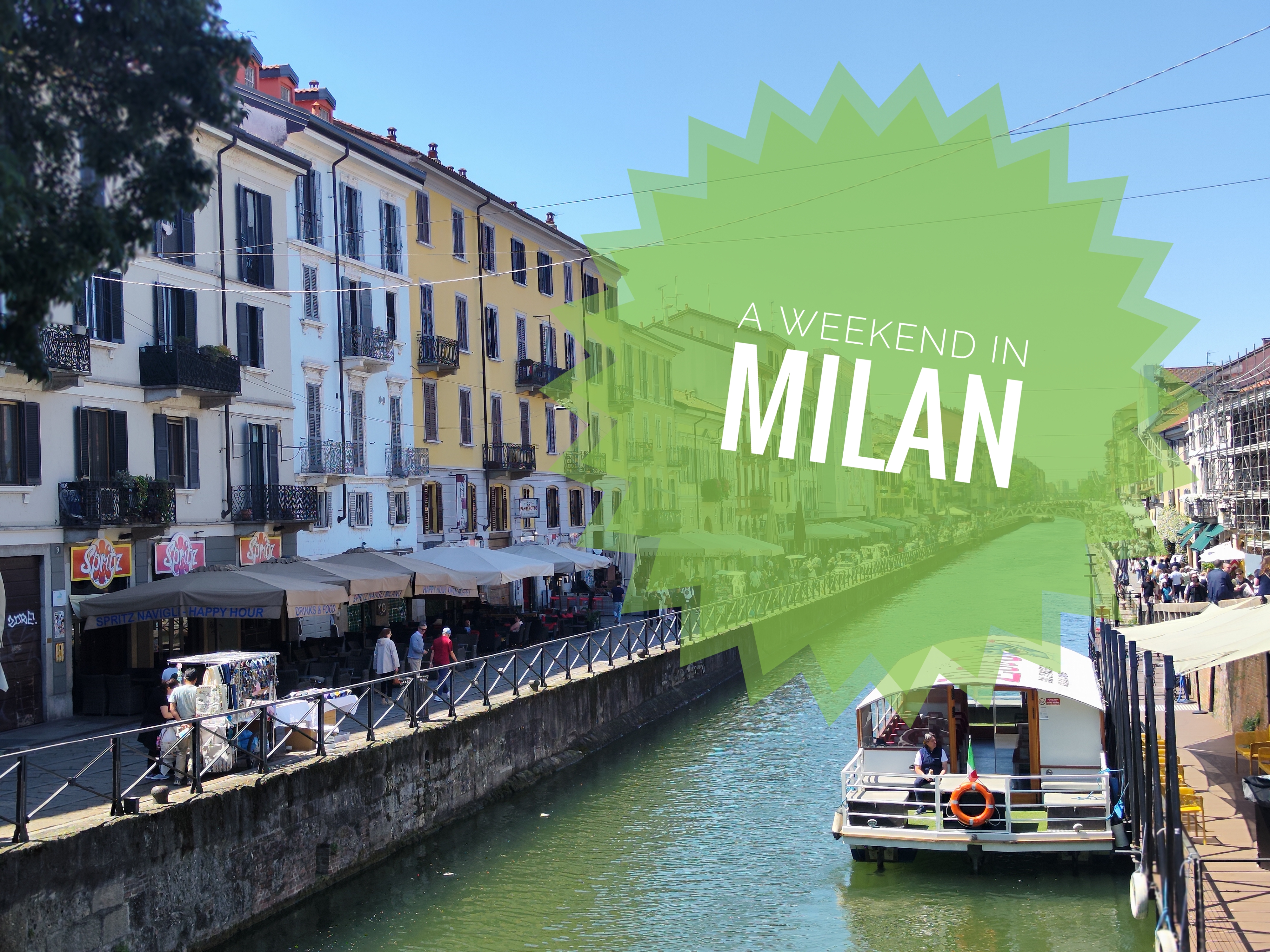

Visiting a city for the first time, getting used to its systems and rhythms is always a fun proposition.
Spending a weekend in Milan to -among other things- find its best bars also became an exploration of the city’s culture; its etiquette and formats.
Milan is vast, without many green arteries (only 2 central parks) or visually distinctive neighbourhoods ringing the city centre, other than the canal-lined Navigli. It’s also flat. As a result, rows of apartment blocks stretch onwards as far as the eye can see. It isn’t a walkable city either. Buy a public transport pass, then use everything on wheels or rails you can find in order to get around swiftly.

Outside Navigli, the clear nightlife hub in Milan, the districts of Chinatown, Isola and Porta Venezia contain some clusters of bars you can combine together. The centre? Home to some high-flying, elite cocktail bars or simply famous venues such as Bar Basso (home of the Negroni Sbagliato), Camparino (no prizes for guessing which drink here), and Jamaica whose qualities vary considerably. But honestly, given the size of the centre, interesting, distinctive or superior bars are thin on the ground in Milan’s core. Head instead into the city’s districts which are after all, where ordinary people live.
Milan is not known as a pretty city, so dispel any notions of encountering gleaming ancient stonework or cooing over grand vistas of Cypress-line valleys and streams. Go to Bergamo for that. Nevertheless, Milan is as Italian as anywhere else and fascinating in other ways. The Milanese mindset is functional, adaptable, progressive and work-obsessed. Aperitivo time provides a joyful pause for social space and post-work relaxation. Around golden hour masses congregate, usually on the terrace, to enjoy Aperol Spritz, Campari, Negroni, a bottle of beer or glass of wine with bars offering free snacks and small plates, some increasing the offer to straight out buffets. Because aperitivo is a cultural staple, you’ll find the majority of pubs do not open their doors until 6pm in the evening, with 2am closure pretty standard. Planning for day drinking should be done carefully as a result, because you won’t be able to combine great bar after great bar before 6pm without doing some significant travel and walking.
Italian Tabaccheria culture also provides something you just won’t find in much of Northern Europe. Similar to the French ‘PMU Tabac‘ system, these are places to buy cigs, gamble, but also read the news, grab a beer and a snack and socialise with friends. These vary from the unreconstructed to some real gems which have pivoted to provide good quality modern wares and amenities without losing their soul. This has helped reconnect the younger generation with the old.


Craft Beer, well, you’re generously served in Milan. Brewing is widespread and beer culture occupies a strong minority and point of difference you can’t help but notice. The average offering has been transformed virtually everywhere in the last 15 years, even at the Tabacchi, while stalwarts like the excellent Birrificio Lambrate are complimented by new developments all the time. Be careful not to simply surf from one beer bar with a big tap-list to the next. Firstly, you will miss out on a lot of venues with more good selections that offer much more than a sterile empty taproom, but secondly because you’ll fail to experience the rest of the city’s culture and offerings. Try and dip your toe into something different.


Despite Milan’s endless churn, there are some historic survivors maintaining businesses from the 20th century. The sign of a kindly old lady at the till is both reassuring and slightly worrying to think what may come next. However, some old timer venues such as the wonderful Latteria Carlon appear to be thriving under the wind of being rediscovered. This is now one of the in-crowd places to go, believe it or not.

Milan’s reputation for expense is possibly overstated. I remember as far back as 2008 being charged 4-6 euros for pints of bad lager across Italy. At the time of writing it’s perfectly possible not only to buy good beer at that price in Milan, but get some free food with it at certain times of day. The same applies to wine. You can certainly find bars where you’ll be charged 10 euros a glass without flinching, but you can similarly find Bottega bars like La Coloniale which is pretty central where it’s 5 euros a glass – and not for trash! They offer 20-30 wines by the glass. If anyone speaks English in these places then mine them for good tips and advice!


For cocktails, simply go to Navigli for dozens of options: some on the trashy side, others much more ambitious. We were lucky to get a reservation at the longstanding Backdoor 43, which still claims to be the world’s smallest bar. The owners also run nearby 1930, Iter & Mag Café, just a selection of what’s on offer in this lively district.


Lastly, don’t forget about the kinds of bars that usually fall into the gaps between these different formats and focus. These are the types we try and champion as they always seem to get left off listicles and hype trains. Funky evening spots like Union Club, atmospheric original cafés like La Belle Aurora, out of the way late spots, punk and alternative bars, humble but charming corner cafés.


Final tips: While anyone aged under 40 in Milan seems almost guaranteed to speak excellent English, we’d encourage any visitor to make an effort to converse in some basic Italian and show gratitude, which is just a social lubricant that makes the world go round much more pleasantly here. It’s an expressive culture and a good attitude is frequently paid in kind. As for cash, we didn’t need to pay in cash in a single venue, so unlike Germany and Czechia we are confident enough to say than other than keeping a reserve note in your wallet, do not bother carrying wadges of notes around which could only get lost/stolen.
Milan is very easy to reach and well served by affordable, frequent offerings from a number of airlines and airports across Europe. Although the more distant Bergamo and Malpensa airports are not exactly close by, (which should be factored in when planning a visit), they are a simple connection. In Bergamo’s case it makes a an excuse for a delightful day trip or afternoon there.


